



Overview
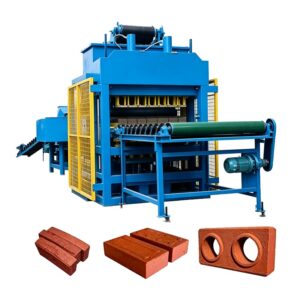
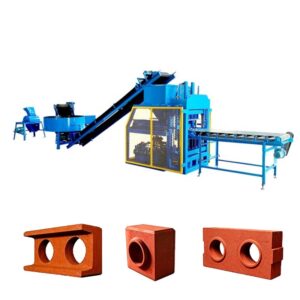
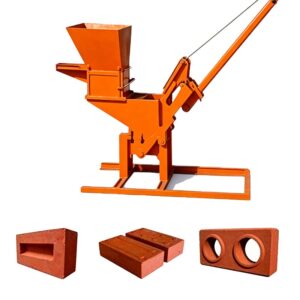
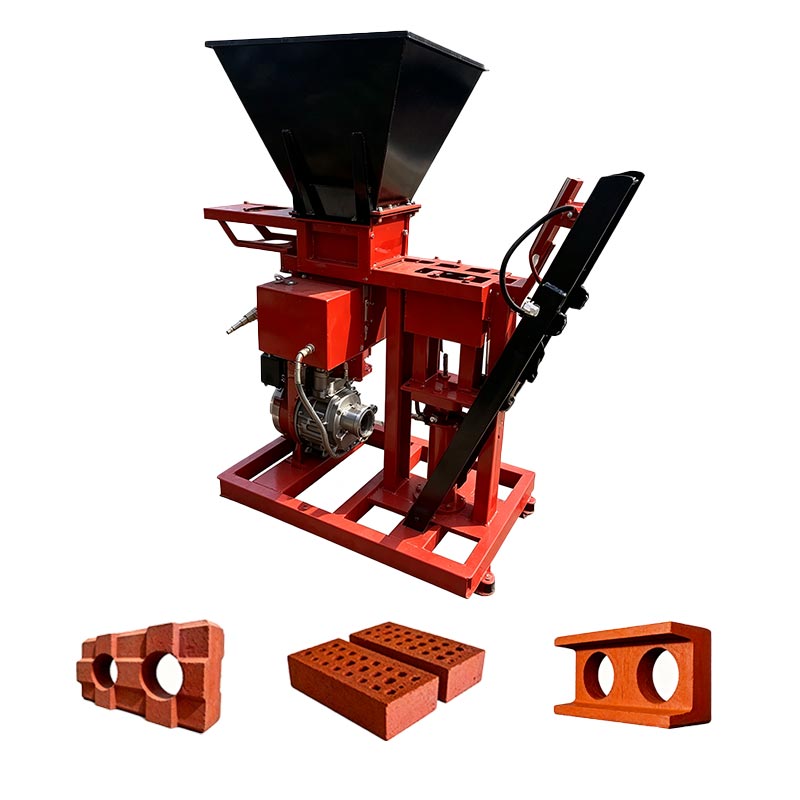
The QTS1-25 clay brick machine is an upgraded, fully automatic hydraulic block-forming machine designed for non-fired clay bricks; it serves as a primary model for small-scale clay brick production. Utilizing red soil, clay, or loam as base materials mixed with a small amount of cement, the machine processes the mixture through crushing, screening, and mixing before forming it under high pressure. No high-temperature kiln firing is required; once molded and demolded, the bricks achieve construction-grade strength through natural air curing.
Equipped with a high-power hydraulic system and PLC-based automatic control, the machine integrates automatic material feeding, high-pressure molding, vibration, and hydraulic demolding. It produces one brick per cycle with sufficient pressure, resulting in high density and consistent compressive strength. The machine features a robust, heavy-duty welded structure ensuring operational stability and suitability for prolonged, continuous production. It offers optional motor or diesel engine drives, making it adaptable for overseas regions with weak or unstable power grids. It utilizes a pallet-free, ground-forming process where bricks are stacked directly on the ground for curing, eliminating the costs associated with purchasing and replacing pallets and significantly reducing long-term consumable expenses. The machine supports quick mold changes, allowing a single unit to produce various specifications of interlocking bricks, construction blocks, and slope protection blocks; this offers a high return on investment, making it ideal for scaled-up production in small-to-medium-sized brick plants.
Core Product Advantages
1. High-pressure molding for superior brick strength. Equipped with a rated 25 MPa high-pressure hydraulic system, the machine produces dense green bricks with excellent compressive strength; the resulting interlocking bricks create stable walls that meet construction engineering standards.
2. Pallet-free ground molding for low long-term production costs. Eliminates the need for brick pallets, saving on the recurring costs of purchasing, maintaining, and replacing them—significantly reducing operating expenses for clients engaged in long-term, large-scale production.
3. Local sourcing of raw materials for low production costs. Utilizes local red soil and clay with only a small amount of cement added; raw materials are easily accessible and inexpensive, offering a distinct advantage in regions rich in red soil, such as Africa and Southeast Asia.
4. Flexible power options suitable for weak power grids. Comes standard with an electric motor drive but offers an optional diesel power unit, ensuring uninterrupted production even in remote areas with frequent power outages or no industrial power grid.
5. PLC fully automatic control system for easy operation. Features a high degree of process automation and one-touch startup; the intuitive control panel allows workers to operate the machine after brief training, while the fault alert function simplifies equipment maintenance.
6. Reinforced frame and wear-resistant molds for long service life. The main frame is welded from thickened steel plate to withstand high pressure without deformation; molds are made of quenched alloy steel, offering high wear and impact resistance, ensuring durability during prolonged production and extending the replacement cycle.
7. Versatile functionality with convenient mold changing. Quickly switch molds to produce various brick types—including wall bricks, paving stones, and eco-friendly slope protection blocks—on a single machine, enabling the fulfillment of diverse project orders and boosting business revenue.
8. Green, non-fired process ensuring environmental compliance.The production process requires no firing and generates no kiln flue gas emissions, meeting environmental regulations in most countries and providing a competitive edge when bidding for government infrastructure projects.
9. Strong continuous production capability. Designed for long-duration, continuous two-shift operations with high stability, making it ideal for large-scale brick plants requiring consistent supply capabilities.
Brick Types Produced
By changing custom molds, the QTS1-25 clay brick machine can produce various types of non-fired clay blocks, catering to sectors such as civil construction, roadworks, and hydraulic slope protection:
1. Clay interlocking “Lego” bricks (flagship product): Feature an interlocking mechanism that minimizes mortar use and accelerates construction; highly sought after for rural housing projects overseas;
2. Solid clay construction bricks: Standard bricks for load-bearing walls and perimeter walls;
3. Hollow clay blocks: Lightweight blocks with thermal insulation properties, used for interior partition walls;
4. Interlocking paving bricks: For rural roads, courtyards, and factory walkways;
5. I-shaped interlocking slope protection bricks: Used in hydraulic projects for eco-friendly slope stabilization along riverbanks and dams;
6. Grass pavers: For parking lots and park green spaces; grass grows through the openings, enhancing the landscape;
7. Retaining wall blocks: For slope retention projects to stabilize soil and prevent landslides;
8. Tree pit bricks and curbstones: Construction materials for municipal landscaping;
9. Custom-shaped blocks: Molds can be developed based on client drawings to produce engineering blocks with special dimensions.
Application Scenarios
1. Private building material plants: Large-scale production of non-fired clay bricks for local sales or supply to construction projects;
2. Overseas engineering contractors: Housing aid and rural infrastructure projects in Africa, Southeast Asia, and South America; on-site brick production significantly reduces material transportation costs;
3. Hydraulic and soil conservation projects: Production of eco-friendly slope protection blocks for riverbanks, canals, and reservoir slopes;
4. “New Countryside” self-built housing projects: Local plant setup to supply interlocking bricks to nearby residents for home construction;
5. Landscaping projects: Production of grass pavers, paving bricks, and retaining wall blocks to supply landscaping initiatives. IX. After-Sales Service and Summary
The QTS1-25 clay brick machine is positioned as a mid-sized, fully automatic hydraulic brick-making unit that balances production capacity, compressive strength, and equipment investment costs. It is ideally suited for regions rich in red clay resources, enabling on-site material sourcing and a production process that requires neither firing nor pallets. The manufacturer provides guidance on pre-delivery commissioning, remote operational training, and mold customization, alongside long-term supplies of genuine spare parts; this support helps customers rapidly establish their plants, commence production, and consistently manufacture high-quality bricks. The bricks produced are widely used in projects such as self-built housing, boundary walls, rural roads, and riverbank slope protection, ensuring stable market demand and a short investment payback period.