Descripción general
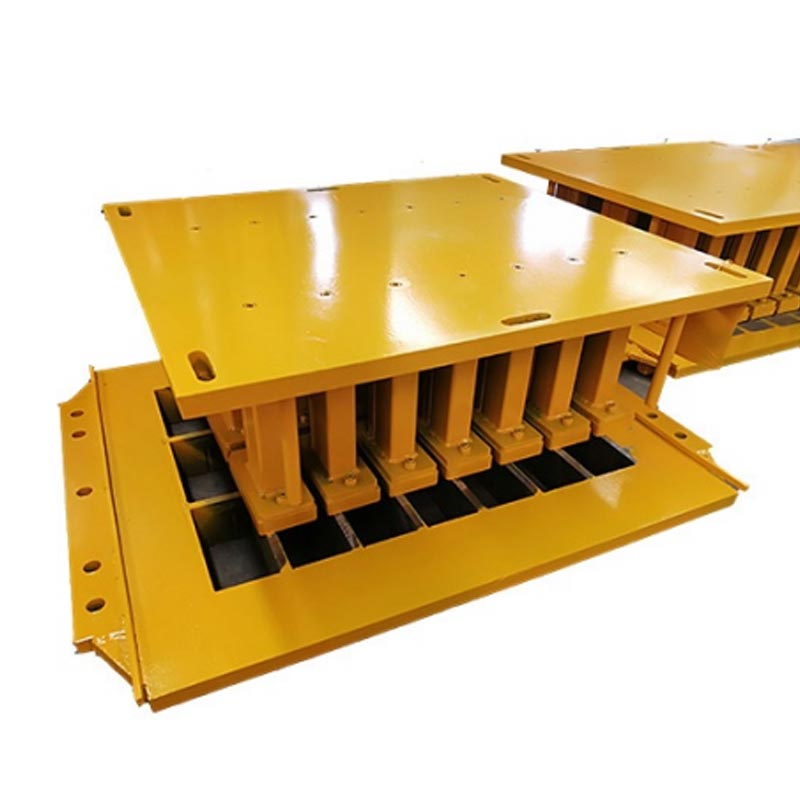
Los moldes para máquinas de fabricación de ladrillos son los componentes que forman el núcleo de los equipos de producción de ladrillos sin cocer; son fundamentales para determinar la precisión dimensional, la planitud de la superficie y la densidad del producto terminado del ladrillo.
Utilizando vibración de alta frecuencia y compresión a alta presión, estos moldes dan forma a materias primas, como cemento, arena, agregados y cenizas volantes, en unidades de ladrillo estándar. Como componente central de herramientas dentro de la línea de producción, están sujetos a los más altos requisitos de desgaste y precisión, que dictan directamente la calidad del producto final.
Compatibles con una amplia gama de sistemas de fabricación de ladrillos totalmente automáticos y semiautomáticos, estos moldes admiten la personalización de varios tipos de ladrillos, incluidos bloques huecos, ladrillos macizos, adoquines permeables, adoquines de carretera, ladrillos de protección contra pendientes y bordillos. Ofrecen ventajas como alta dureza, resistencia al impacto, estabilidad dimensional y una larga vida útil, lo que los hace esenciales para garantizar una producción estable, reducir los costos de consumibles y mejorar la calidad del producto en las plantas de fabricación de ladrillos.
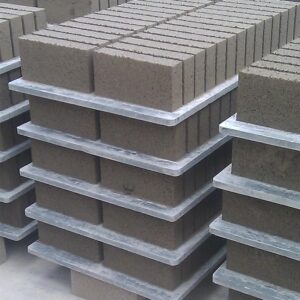
Estos moldes son muy versátiles y aplicables en todo el sector de producción de ladrillos no cocidos de hormigón. Los moldes estándar pueden producir bloques huecos convencionales, ladrillos estándar, ladrillos de múltiples orificios y ladrillos de cemento macizo. Los moldes personalizados permiten la producción de ladrillos de ingeniería especializados, como adoquines permeables de colores, ladrillos de protección de pendientes entrelazados, adoquines entrelazados, adoquines de césped, bordillos y ladrillos en forma de I. Se utilizan ampliamente en plantas de materiales de construcción, patios prefabricados para proyectos de infraestructura, instalaciones de materiales de pavimentación municipales y líneas de producción de infraestructura rural. Ya sea para máquinas domésticas semiautomáticas de pequeña escala o líneas de montaje totalmente automáticas a gran escala, los moldes se pueden adaptar con precisión a las especificaciones de los equipos. Se adaptan a diversas capacidades de producción y tipos de ladrillos, cumpliendo con los estándares de materiales para construcción residencial, pavimentación de carreteras, estabilización de riberas de ríos, paisajismo y otros proyectos de ingeniería.
Operación
Soporte de producción
En general, los moldes de alta calidad son esenciales para mejorar la calidad y la eficiencia en las plantas de ladrillos. Mientras que los moldes inferiores provocan ladrillos desalineados, desviaciones dimensionales, bordes dañados y altas tasas de desechos, los moldes resistentes al desgaste y diseñados con precisión estabilizan la calidad del producto, aumentan la productividad y reducen la frecuencia de reemplazo de componentes, lo que los convierte en un activo rentable e indispensable para las plantas de ladrillos modernas. Las opciones incluyen moldes estándar disponibles en el mercado y diseños personalizados para formas de ladrillos especializadas, compatibles con una gama completa de equipos de fabricación de ladrillos.
Configuración
Materiales y Fabricación
En cuanto a los procesos de fabricación y los detalles de precisión, todo el conjunto del molde se elabora utilizando placas de acero gruesas que se someten a un corte integral, fresado de precisión CNC y un tratamiento térmico integral. La placa de molde principal utiliza acero resistente al desgaste y de alta calidad; A diferencia de los moldes estándar hechos de láminas delgadas soldadas, este diseño ofrece un espesor sustancial, alta rigidez y excelente resistencia al impacto. Las áreas críticas de moldeo se someten a un enfriamiento de alta frecuencia para lograr una alta dureza y una resistencia al desgaste superior, lo que garantiza que no se astillen las esquinas, se desgasten ni se colapsen los bordes durante una vibración prolongada a alta presión. Las soldaduras son completas y uniformes, libres de porosidad o juntas débiles, lo que da como resultado una estructura robusta y resistente a la deformación. El interior de las cavidades del molde está finamente rectificado y pulido hasta obtener un acabado liso, lo que garantiza un desmoldeo perfecto sin adherencia del material; las piezas en bruto de ladrillo resultantes no requieren ningún recorte secundario y cuentan con una apariencia limpia y atractiva. Todos los orificios de posicionamiento y montaje están perforados CNC con una tolerancia mínima, lo que garantiza un ajuste preciso durante la instalación y un funcionamiento estable y sin vibraciones. En términos de rendimiento operativo y compatibilidad, estos moldes para máquinas de ladrillos son perfectamente adecuados para los ciclos continuos de vibración de alta frecuencia y compresión de alta presión característicos de la maquinaria de fabricación de ladrillos. Durante la producción en masa de alta intensidad y larga duración, los moldes resisten problemas como la deformación de las cavidades, la desalineación de los ladrillos y el desgaste de los bordes, lo que garantiza una calidad constante del producto durante todo el día.
Los moldes ofrecen excelentes propiedades de liberación, evitando que el material se atasque o se pegue, lo que aumenta significativamente la velocidad de producción y reduce el tiempo necesario para la limpieza manual. Además, presentan una resistencia superior a la compresión, tensión y fatiga, así como al polvo y la humedad; están completamente adaptados a los duros entornos operativos de las plantas de ladrillos y mantienen capacidades de moldeo de alta precisión incluso después de un uso prolongado.
Especificación
Compatibilidad y Personalización
En cuanto a especificaciones y compatibilidad, estos moldes se fabrican según estándares nacionales, lo que admite tanto la aplicación universal en modelos de máquinas como diseños personalizados. Las dimensiones del molde son compatibles con los principales modelos de máquinas para fabricar ladrillos, como las series 4-24, 4-15, 6-15 y 8-15, y se pueden configurar con precisión en función del tamaño de la mesa de la máquina, el espaciado de vibraciones y la carrera del cabezal de manipulación. El molde estándar permite la producción simultánea de múltiples ladrillos; Las cavidades del molde están distribuidas uniformemente y son uniformes en profundidad, lo que garantiza una coherencia total en el espesor, las dimensiones y la verticalidad de cada pieza en bruto de ladrillo.
Los patrones de ladrillo, los tamaños de los orificios y los radios de las esquinas se pueden personalizar para cumplir con requisitos específicos. Los moldes admiten diversos acabados superficiales, como lisos, martillados y mate, satisfaciendo plenamente las demandas de los estilos de ladrillos convencionales en los mercados locales.
| Serie de máquinas compatibles | 4-24, 4-15, 6-15, 8-15 y modelos personalizados |
|---|
| Tipos de ladrillos | Hueco, sólido, adoquín, protección de pendientes, adoquín de césped y bordillo |
|---|
| Material | Acero aleado resistente al desgaste tratado térmicamente |
|---|
| Personalización | Disposición de cavidades, dimensiones, patrón de orificios y acabado superficial |
|---|
Capacidad
Ventajas de producción
Estos moldes para máquinas de ladrillos ofrecen cuatro ventajas principales, resolviendo eficazmente problemas comunes de la industria, como el desgaste rápido, el desconchado de los bordes, la deformación y la mala calidad del ladrillo.
En primer lugar, ofrecen una alta precisión de moldeo; las cavidades del molde son uniformes y las esquinas verticales, lo que da como resultado bloques de ladrillo con bordes afilados y superficies planas, lo que garantiza una tasa de paso muy alta para los productos terminados. En segundo lugar, presentan una fuerte intercambiabilidad; Los moldes del mismo modelo son altamente compatibles y fáciles de reemplazar sin modificar la estructura del equipo, lo que permite un rápido montaje y desmontaje por parte de un solo operador.
En tercer lugar, garantizan la estabilidad de la producción; Los moldes se someten a un tratamiento de alivio de tensiones, lo que los hace resistentes a la deformación y al agrietamiento incluso bajo vibración y prensado de alta frecuencia a largo plazo, manteniendo al mismo tiempo una desviación dimensional cero durante períodos de producción prolongados.
Cuarto, ofrecen una rentabilidad excepcional; su vida útil excepcionalmente larga reduce significativamente las pérdidas de tiempo de inactividad asociadas con frecuentes cambios de moho y reparaciones, lo que reduce efectivamente los costos generales de producción de la planta de ladrillos.