Aperçu
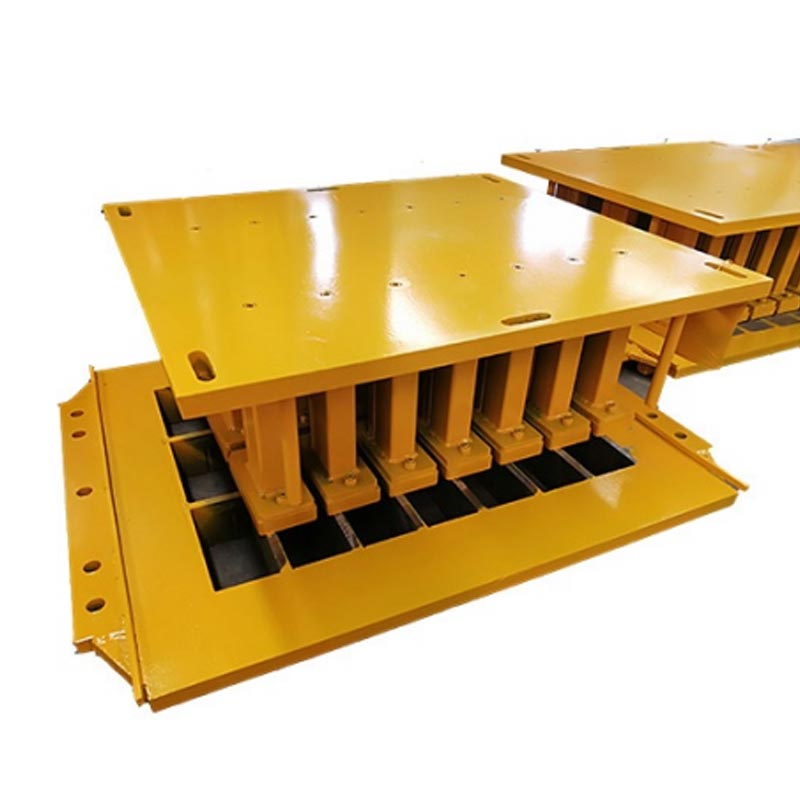
Les moules de machines de fabrication de briques sont les composants de formation de noyau pour les équipements de production de briques non cuites ; ils sont essentiels pour déterminer la précision dimensionnelle, la planéité de la surface et la densité du produit fini de la brique.
Utilisant les vibrations à haute fréquence et la compression à haute pression, ces moules façonnent les matériaux bruts tels que le ciment, les granulats et les cendres volantes dans des unités de briques standard. En tant que composant d'outillage central au sein de la chaîne de production, ils sont soumis aux exigences d'usure et de précision les plus élevées, dictant directement la qualité du produit final.
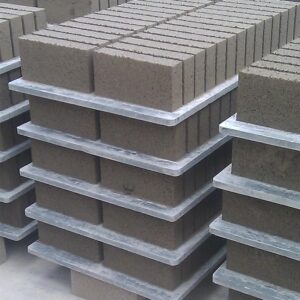
Compatibles avec une large gamme de systèmes de fabrication de briques entièrement automatiques et semi-automatiques, ces moules prennent en charge la personnalisation de divers types de briques, notamment les blocs creux, les briques pleines, les pavés perméables, les pavés routiers, les briques de protection contre les pentes et les bordures. Ils offrent des avantages tels qu'une dureté élevée, une résistance aux chocs, une stabilité dimensionnelle et une longue durée de vie, ce qui les rend essentiels pour garantir une production stable, réduire les coûts de consommation et améliorer la qualité des produits dans les usines de fabrication de briques.
Ces moules sont très polyvalents et applicables dans l'ensemble du secteur de production de briques non cuites en béton Les moules standard peuvent produire des blocs creux conventionnels, des briques standard, des briques multi-trous et des briques en ciment massif Les moules personnalisés permettent la production de briques d'ingénierie spécialisées, telles que des pavés perméables colorés, des briques de protection de pente imbriquées, des pavés imbriqués, des pavés d'herbe, des bordures et des briques en forme de I. Ils sont largement utilisés dans les usines de matériaux de construction, les cours préfabriqués pour les projets d'infrastructure, les installations municipales de matériaux de pavage et les lignes de production d'infrastructures rurales Que ce soit pour les machines résidentielles à petite échelle, semi-automatiques ou les lignes d'assemblage à grande échelle, entièrement automatiques de construction de construction, les moules peuvent être précisément adaptées aux spécifications de matériaux de construction de rivière.
Opération
Support Production
Dans l'ensemble, les moules de haute qualité sont essentiels pour améliorer la qualité et l'efficacité dans les usines de briques. Alors que les moules de qualité inférieure entraînent des briques mal alignées, des écarts dimensionnels, des bords endommagés et des taux de rebut élevés, les moules conçus avec précision et résistants à l'usure stabilisent la qualité des produits, augmentent la productivité, et réduisent la fréquence de remplacement des composants. Les options incluent à la fois des moules standard disponibles dans le commerce et des conceptions personnalisées pour des formes de briques spécialisées, compatibles avec une gamme complète d'équipements de fabrication de briques.
Configuration
Matériaux et Fabrication
En ce qui concerne les processus de fabrication et les détails de précision, l'ensemble du moule est fabriqué à l'aide de plaques d'acier épaisses qui subissent une découpe intégrale, un fraisage de précision CNC et un traitement thermique complet. La plaque de moule principale utilise de l'acier de haute qualité et résistant à l'usure ; contrairement aux moules standard fabriqués à partir de feuilles minces soudées, cette conception offre une épaisseur substantielle, une rigidité élevée et une excellente résistance aux chocs. Les zones de moulage critiques subissent une trempe à haute fréquence pour obtenir une dureté élevée et une résistance à l'usure supérieure à la limite, garantissant une résistance à la compression prolongée au matériau, une résistance à la compression continue et une résistance à la déformation totale au moule, une résistance à la brique, une résistance à la résistance à la compression et à la pression, des briques, des conditions de fabrication des briques, des briques, des conditions de fabrication des briques, des briques, des briques, des conditions de fabrication des briques, des conditions de la résistance des briques, des matériaux de fabrication des briques, des briques, des conditions de fabrication des briques, des matériaux de fabrication et des briques, des briques, des matériaux de fabrication des briques, des briques, des briques, des matériaux de la résistance des matériaux de la fabrication des briques, des briques, des matériaux de la résistance des briques, des briques, des matériaux de finition des briques, des matériaux de la fabrication des matériaux de la fabrication des briques, des briques, des briques, des matériaux de la fabrication des briques, des briques, des briques, des briques, des briques, des matériaux de la fabrication des matériaux de la fabrication des briques, des matériaux de la fabrication des matériaux de la fabrication des briques, des matériaux de la fabrication des briques, des briques, des briques, des briques, des briques, des briques, des briques, des matériaux de la fabrication des briques, des briques, des matériaux de la résistance des matériaux de la fabrication des matériaux de la fabrication des briques, des briques, des briques, des briques, des briques, des briques, des matériaux de la fabrication des briques, des briques, des briques, des briques, des briques, des matériaux de la fabrication des matériaux de la fabrication des matériaux de la fabrication.
Les moules offrent d'excellentes propriétés de blocage ou de collage des matériaux qui augmentent considérablement la vitesse de production et réduisent le temps requis pour le nettoyage manuel. De plus, ils présentent une résistance supérieure à la compression, à la tension et à la fatigue, ainsi qu'à la poussière et à l'humidité ; ils sont entièrement adaptés aux environnements de fonctionnement difficiles des usines de briques et maintiennent des capacités de moulage de haute précision même après une utilisation prolongée.
Spécification
Compatibilité et personnalisation
En ce qui concerne les spécifications et la compatibilité, ces moules sont fabriqués selon les normes nationales, prenant en charge à la fois l'application universelle sur les modèles de machines et les conceptions personnalisées. Les dimensions des moules sont compatibles avec les modèles de machines de fabrication de briques grand public tels que les séries 4-24, 4-15, 6-15 et 8-15 et peuvent être configurées avec précision en fonction de la taille de la table, de l'espacement des vibrations et de la course de la tête de falsification de la machine. Le moule standard permet la production simultanée de plusieurs briques ; les cavités du moule sont uniformément réparties et uniformes en profondeur, garantissant une cohérence complète dans l'épaisseur, les dimensions et la verticale de chaque ébauche de brique.
Les motifs de briques, les tailles de trous et les rayons de coin peuvent être personnalisés pour répondre à des exigences spécifiques. Les moules prennent en charge diverses finitions de surface telles que des pièces lisses, des jambons de brousse et des nattes satisfaisant les demandes des styles de briques traditionnels sur les marchés locaux.
| Série de machines compatibles | 4-24, 4-15, 6-15, 8-15 et modèles personnalisés |
|---|
| Types de briques | Creux, solide, finisseur, protection de pente, pavé d'herbe et bordure de trottoir |
|---|
| Matériel | Acier allié résistant à l'usure traité thermiquement |
|---|
| Personnalisation | Disposition de la cavité, dimensions, motif de trou et finition de surface |
|---|
Capacité
Production Avantages
Ces moules de machines à briques offrent quatre avantages essentiels, résolvant efficacement les problèmes courants de l'industrie tels que l'usure rapide, l'écaillage des bords, la déformation et la mauvaise qualité des briques.
Premièrement, ils offrent une grande précision de moulage ; les cavités du moule sont uniformes et les coins verticaux, ce qui donne des ébauches de briques avec des arêtes vives et des surfaces planes, assurant un taux de passage très élevé pour les produits finis Deuxièmement, elles présentent une forte interchangeabilité ; les moules du même modèle sont hautement compatibles et faciles à remplacer sans modifier la structure de l'équipement, ce qui permet un montage et un démontage rapides par un seul opérateur.
Troisièmement, ils assurent la stabilité de la production ; les moules subissent un traitement de soulagement des contraintes, les rendant résistants à la déformation et à la fissuration même sous des vibrations et des pressages à longue durée et à haute fréquence, tout en maintenant un écart dimensionnel nul sur des séries de production prolongées.
Quatrièmement, ils offrent une rentabilité exceptionnelle ; leur durée de vie exceptionnellement longue réduit considérablement les pertes de temps d'arrêt associées aux fréquents changements de moisissures et réparations, ce qui réduit effectivement les coûts de production globaux de l'usine de briques.