



Descripción general
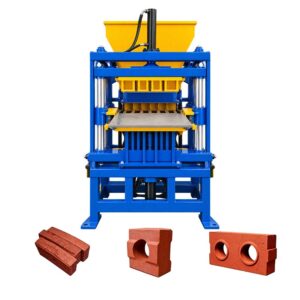
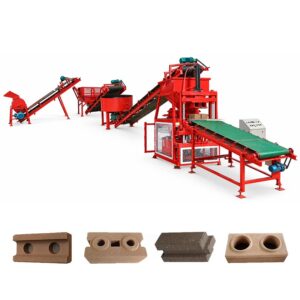
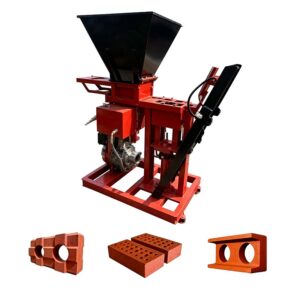
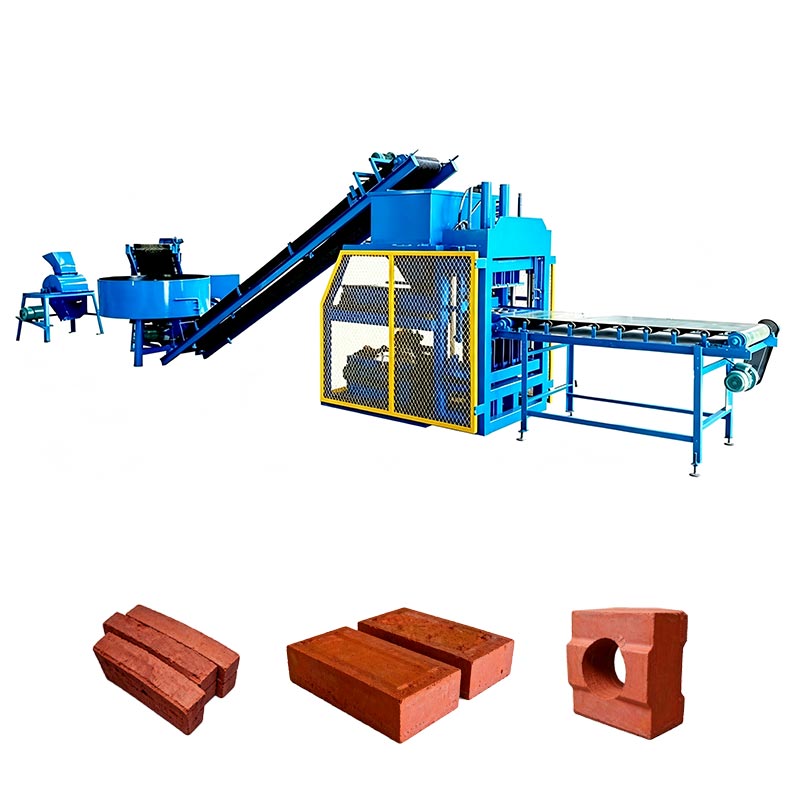
La máquina hidráulica de ladrillos de arcilla totalmente automática QTS6-10 es una unidad de producción de ladrillos de arcilla no cocidos, de seis moldes, de alta configuración y energéticamente eficiente. Como modelo insignia para la producción en masa de la serie QTS, presiona de manera estable seis ladrillos de arcilla entrelazados estándar en un solo ciclo, ofreciendo una densidad de producción superior en comparación con otras máquinas de tamaño y potencia similares.
Ventajas principales del producto
1. Ultra-High Capacity (6-Mold): Maximized single-mold output density; daily production increases by over 20% compared to 5-mold models, enabling faster mass production and significantly shorter payback periods.
2. Energy-Efficient Servo System: Features variable-frequency vibration and intelligent constant-pressure hydraulics; power output adjusts to demand, resulting in 30% electricity savings and lower long-term energy costs.
3. Balanced Pressure & Zero Defects: An independent flow-division and pressure-stabilization system ensures uniform thickness, density, and hardness across all six brick units, resulting in a near-zero defect rate.
4. High Adaptability to Complex Soil: Optimized for challenging soil types—including those with high clay, sand, or moisture content—offering high raw material tolerance and allowing for the use of readily available local materials.
5. High-Precision Molding Quality: Molding tolerance is ≤1mm; bricks feature clean edges and high density, ensuring a high pass rate for engineering inspections.
6. Modular Design for Easy Maintenance: Modular layout of hydraulic, electrical, and vibration systems simplifies troubleshooting; uses universal parts and ensures low maintenance costs.
7. Zero-Consumable Production: Pallet-free, ground-based production eliminates the need for ongoing consumable expenses, maximizing long-term profit margins.
8. Stable All-Weather Operation: Heavy-duty box-frame structure offers superior vibration and fatigue resistance, supporting continuous year-round production across two shifts.
9. Green & Compliant Production: A fully non-firing process with no smoke or wastewater emissions and low noise levels; meets international environmental standards and qualifies for government infrastructure project tenders. VIII. Brick Types Produced
Leveraging a rapid mold-change design, a single machine can produce a full range of clay blocks for residential, municipal, hydraulic, and landscaping applications:
1. High-spec interlocking clay “Lego” bricks: Mainstay for mass housing construction; features tight interlocking, mortar savings, and high construction efficiency.
2. High-strength solid/hollow wall bricks: Versatile blocks for high-rise perimeter walls, residential walls, and partition walls.
3. Eco-friendly permeable pavers and interlocking ground bricks: For rural roads, courtyards, and paved plazas.
4. Interlocking hydraulic slope protection bricks: For soil and water conservation projects along rivers, canals, and reservoirs.
5. Grass pavers and tree pit protection bricks: For urban landscaping and eco-friendly parking lot construction.
6. Slope retaining wall blocks and eco-friendly bank protection blocks: For hillside slope stabilization, riverbank reinforcement, and landslide prevention.
7. Customized special-shaped engineering blocks: Supports non-standard mold customization based on customer drawings.
Escenarios de aplicación
1. Medium-to-large standardized clay brick plants: Large-scale enterprises focused on long-term mass production, local wholesale, and stable supply.
2. Large-scale overseas infrastructure projects: Mass housing and large-scale rural housing developments in Africa, Southeast Asia, and South America.
3. Hydraulic and soil conservation projects: Projects requiring large quantities of eco-friendly blocks for slope and bank protection.
4. Government rural renovation infrastructure projects: Mass production of building materials for road paving, residential renovation, and village landscape improvements.
5. Long-term production lines prioritizing low energy consumption and high output: Suitable for refined, energy-efficient, and standardized operations.
Selección de modelo y recomendaciones de uso
1. Selection Guide: Choose a 1-2 mold model for low-volume production or startup trials; choose a 4-5 mold model for medium-volume production; for long-term, large-scale operations prioritizing energy efficiency and high output, the QTS6-10 is the top choice—it is the flagship model for mass production offering the best cost-performance ratio. 2. Raw Material Compatibility: This machine is compatible with the vast majority of natural soil types; for highly cohesive clay, it is recommended to incorporate additional screening and air-drying steps to further enhance the quality of the finished product.
3. Parameter Calibration: Upon initial startup, fine-tune the vibration frequency and pressure-holding time based on the local soil’s moisture content; once stabilized, these parameters can be saved for one-touch mass production.
4. Site Curing: The production site must be paved and leveled, with ample designated curing areas provided to prevent brick units from deforming due to stacking or losing structural integrity from rain exposure.
5. Equipment Maintenance: Regularly clean and service the servo motors and hydraulic systems to ensure unobstructed oil flow and balanced vibration, thereby extending the equipment’s service life.
6. Production Strategy: A standardized two-shift production schedule is recommended to fully leverage the high-output (six-mold) and energy-efficient capabilities of the machine, maximizing both production capacity and profitability.