Aperçu
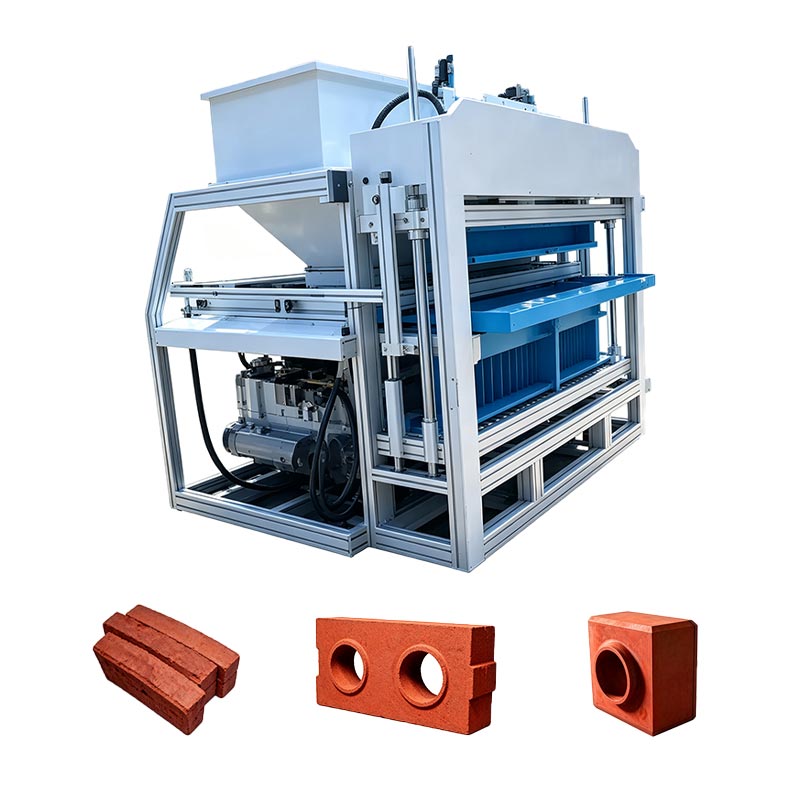
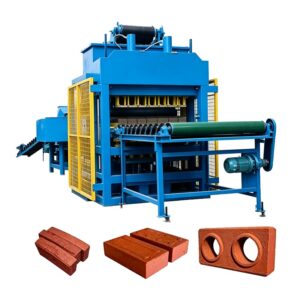
La machine à briques hydrauliques en argile entièrement automatique QTS10-10 est le modèle de production phare de qualité industrielle et à grand volume de la série QTS. Représentant la configuration la plus élevée et la plus grande capacité de la gamme de produits, elle est spécialement conçue pour les usines de fabrication de briques à grande échelle En un seul cycle, la machine moule de manière stable 10 briques d'argile à verrouillage standard, permettant une production de masse intensive, industrialisée et standardisée.
Les principaux avantages comprennent le moulage sous pression industriel, une large adaptabilité du sol, un faible taux de défauts et la capacité de production continue 24 heures sur 24. Il s'adapte à divers types de sols bruts tels que l'argile rouge, l'argile jaune, le sol mixte de montagne et la stabilisation à haute teneur en sable, permettant une production de masse stable sans besoin de lavage ou de purification du sol raffiné. La machine utilise un processus de moulage physique sans feu basé sur le compactage hydraulique à haute pression et le durcissement par hydratation naturelle ; il ne nécessite aucun four, ne produit ni fumée ni poussière, et génère une pollution nulle, se conformant pleinement aux normes de production environnementales intelligentes. Il poursuit l'utilisation des bases opérationnelles matures de base de base de fabrication de matériaux de base de terre-moulage et de qualité de fabrication de matériaux de base de base de sol maturation de base de base matures, de sol-m, de fabrication, de matériaux de matériaux de production hydraulique.
Avantages du produit de base
1. Capacité et efficacité de production maximale de 10 moules : présente une conception de premier niveau à 10 moules qui surpasse largement les modèles à 7 ou 6 moules. Avec une production quotidienne massive, il est idéal pour la livraison en gros de commandes à grande échelle, raccourcissant considérablement la période de récupération des investissements.
2. stabilité de pression synchronisée de 10 moules et qualité zéro-déviation : équipé d'un système hydraulique multicanal indépendant, assurant une uniformité complète de la densité, de l'épaisseur et de la dureté sur les dix briques. La précision de qualité industrielle garantit une acceptation sans problème pour les projets d'ingénierie haut de gamme.
3. Adaptabilité supérieure à divers types de sols : gère parfaitement le sol brut, le sol très humide, le sol sableux et le sol à faible cohésion. Abaisse le seuil d’approvisionnement local en matériaux, minimisant ainsi les coûts de production de matières premières.
4. Durabilité de qualité industrielle : comprend un corps en acier moulé robuste, une structure modulaire et une conception résistante à la fatigue. Prend en charge une production continue et à pleine charge toute l'année avec un taux de défaillance extrêmement faible et une durée de vie exceptionnellement longue.
5. production de masse intelligente et économe en énergie : utilise une puissance de sortie à fréquence variable et une technologie de stabilisation de pression segmentée. Consomme plus de 251TP3 T moins d’électricité que les modèles standard à grande échelle, offrant des avantages de coût significatifs pour une production à long terme et à grande échelle.
Types de briques produits
1. briques de construction en terre cuite à verrouillage haut de gamme : ajustement imbriqué de haute précision et stabilité structurelle ; idéal pour les projets de logements abordables à grande échelle et la construction résidentielle de masse.
2. briques porteuses solides à haute résistance : dureté et densité élevées ; convient aux murs d'enceinte de haut niveau et à la maçonnerie porteuse dans la construction résidentielle.
3. briques de pavage imbriquées pour paysages et cours : aspect uniforme et excellente planéité ; convient aux zones résidentielles municipales et aux projets de pavage de la belle campagne.
4. Briques hydrauliques de protection des pentes imbriquées respectueuses de l'environnement : adaptées à la gestion des rivières à grande échelle, au renforcement des canaux et à la conservation du sol et de l'eau sur les pentes des réservoirs.
5. Briques d'aménagement paysager respectueuses de l'environnement : comprend des pavés d'herbe et des briques de protection des fosses d'arbres ; répond à la demande massive de projets de verdissement écologique urbain et de rénovation des paysages. IX. Scénarios d’application
1. Bases de production de matériaux de construction en argile standardisées à grande échelle : adaptées à la production de masse à long terme, à la vente en gros régionale et à l'approvisionnement en canaux.
2. Projets EPC d'infrastructures à grande échelle à l'étranger : projets de construction de logements ruraux contigus au niveau national en Afrique, en Asie du Sud-Est et en Amérique du Sud.
3. Projets de conservation de l'eau à grande échelle : production de masse spécialisée de blocs de protection des pentes et de renforcement des berges écologiques.
4. Infrastructure gouvernementale de revitalisation rurale de haut niveau : soutenir des projets à grande échelle de pavage routier, de rénovation résidentielle et d'amélioration du paysage villageois.
5. Usines de matériaux de construction orientées vers l’exportation : tirer parti d’une capacité de production ultra-élevée pour garantir une livraison stable des commandes à l’étranger en grand volume et en conteneurs complets.
6. Projets intensifs de construction d’usines donnant la priorité aux investissements à long terme, aux opérations sans défaillance et à la capacité élevée : idéal pour des opérations commerciales standardisées, industrialisées et à long terme.
Sélection du modèle et recommandations d'utilisation
En tant que modèle industriel de premier plan de 10 moules de la série, le QTS10-10 ne convient qu'aux clients engagés dans une production à grande échelle, standardisée et en grand volume ; il n'est pas recommandé pour les essais pilotes à petite échelle, les opérations individuelles à petite échelle ou les modèles standard pour entreprises à faible volume avec des moules de 1 à 7 sont préférables pour ces cas.
Avant le début de la production, les matières premières doivent subir un prétraitement approfondi comprenant le concassage, le criblage et l'élimination des impuretés dures pour garantir la précision du formage simultané de 10 moules et prolonger la durée de vie des moules. Des formules de production spécifiques adaptées aux caractéristiques locales du sol doivent être stockées et rappelées via une fonction à un seul contact pendant la production de masse pour garantir une qualité constante du produit. Le site de production nécessite une grande zone pavée et une vaste zone de durcissement zonée pour s'adapter à l'empilage et au durcissement de quantités massives de briques vertes, le cycle de durcissement étant strictement contrôlé à 714 jours.
L'entretien courant consiste à vérifier régulièrement l'équilibre de la pression hydraulique, la fréquence de vibration et l'intégrité des joints des circuits d'huile, ainsi qu'à nettoyer la terre résiduelle des cavités des moules et des boulons des machines de serrage L'équipement est conçu pour un fonctionnement continu en deux équipes plutôt que pour des cycles de démarrage-arrêt fréquents, ce qui permet de réaliser pleinement l'avantage de rendement élevé du système à 10 moules Avec sa conception de qualité industrielle, la machine assure un fonctionnement stable et sans problème pendant des années lorsqu'elle fonctionne correctement et est entretenue régulièrement, ce qui la rend idéale pour les grandes usines recherchant des opérations rentables à long terme.
Opération
La machine à briques en argile QTS10-10 est dotée d'un cadre en acier moulé intégré robuste Contrairement aux corps soudés conventionnels, cette conception offre une rigidité et une résistance supérieures à la déformation à haute pression, permettant une production continue à pleine charge selon un programme intelligent en deux équipes, 365 jours par an. La machine est équipée d'un système de stabilisation de pression hydraulique indépendant et équilibré pour ses dix moules, doté d'un ensemble de vannes de séparation de flux indépendantes à dix canaux. Cela garantit une synchronisation parfaite de la pression, des vibrations, du volume d'alimentation du matériau et du temps de maintien de la pression dans chaque cavité du moule, résolvant efficacement les problèmes industriels courants de l'industrie associés à un équipement à dix moules, tels que les coins desserrésistants, les écarts d'épaisseur et la densité sont automatiquement les paramètres de résistance du matériau de contact, les paramètres de fabrication, les paramètres de fabrication, les paramètres de résistance et de résistance, les paramètres de résistance, les paramètres de résistance, les paramètres de résistance, les paramètres de fabrication, les paramètres de qualité supérieure, les paramètres de fabrication, les systèmes de qualité et de fabrication, les paramètres de qualité supérieure, les systèmes de fabrication, les systèmes de fabrication, les systèmes de fabrication, les systèmes de fabrication, les systèmes de fabrication, les systèmes de fabrication, les systèmes de fabrication, les systèmes de fabrication, les systèmes de qualité et de fabrication, les systèmes de qualité et de qualité et de qualité et de fabrication, les systèmes de fabrication, les systèmes de qualité et de fabrication, les systèmes de fabrication, les systèmes de qualité et de contrôle de contrôle de contrôle de qualité et de qualité et de qualité supérieure, les systèmes de fabrication, les systèmes de fabrication, les systèmes de qualité et de qualité et de qualité supérieure, les systèmes de qualité supérieure, les systèmes de fabrication, les systèmes de fabrication, les systèmes de fabrication, les systèmes de qualité et de fabrication, les systèmes de qualité et de qualité supérieure, les systèmes de qualité et de qualité et de fabrication, les systèmes de qualité et de fabrication, les systèmes de fabrication, les systèmes de fabrication, les systèmes de fabrication, les systèmes de fabrication, les systèmes de fabrication, les systèmes de fabrication, les systèmes de fabrication, les systèmes de fabrication, les systèmes de fabrication, les systèmes de fabrication, les systèmes de fabrication, les systèmes de contrôle de fabrication, les systèmes de qualité supérieure, les systèmes de qualité et de fabrication, les systèmes de fabrication, les systèmes de fabrication, les systèmes de fabrication, les systèmes de fabrication, les systèmes de fabrication de fabrication de fabrication de fabrication, les systèmes de fabrication, les systèmes de fabrication de fabrication, les systèmes de fabrication, les systèmes de fabrication de fabrication, les systèmes de fabrication, les systèmes de fabrication, les systèmes de fabrication, les systèmes de fabrication, les systèmes de fabrication, les systèmes de fabrication, les systèmes de fabrication.
Le moule est fabriqué à partir d'acier allié résistant à l'aide d'un processus de trempe intégré, offrant une résistance élevée à la compression, une résistance à l'usure, une déformation minimale et une durée de vie prolongée. Il prend en charge des changements rapides de moule, permettant une commutation flexible entre les différents types de briques. Les systèmes hydrauliques, électriques et vibratoires de la machine utilisent une conception modulaire industrielle ; la disposition est organisée pour une dissipation thermique efficace et un entretien facile, tandis que l'utilisation de composants universels réduit considérablement les charges opérationnelles et de maintenance à long terme, ce qui le rend idéal pour une production industrielle à haute intensité, haute fréquence et continue.
Principe de travail
Le QTS10-10 utilise une vibration intelligente en couches à fréquence variable avec un processus de moulage par extrusion synchrone à pression constante sur dix moules, représentant une technologie haut de gamme et conçue avec précision pour la production de briques non cuites. L'ensemble du processus de production fonctionne comme un système entièrement automatisé en boucle fermée : l'argile brute est d'abord broyée et décomposée par un équipement de pulvérisation robuste combiné, puis passée à travers une machinerie de criblage multicouche pour éliminer les impuretés telles que les pierres, les agglomérés et les racines ont été classés comme matériau de fabrication uniforme de briques uniformément et les dix jours de stabilisation de ciment sont ajoutés selon un rapport fixe et un mélangeur à action forcée de haute capacité, créant un mélange de briques sans pression automatique, créant un mélange équilibré de briques, un système de matériaux de fibres et de remplissage, un matériau de fibres exceptionnel, un matériau de vibration et de fibres, un matériau durc'air, un matériau durc et de vibration, un matériau durc et de cuisson complet, un système de cuisson complet, un matériau durc, un matériau durc, un système de cuisson et de cuisson complet, un matériau durcissant, un système de vibration, un matériau durcissant, un matériau durcissant, un matériau durc, un matériau durcissage exceptionnel, un matériau durc, un matériau durc, un matériau durcissant, un matériau durc, un matériau durcissage complet et un moule à haute pression, un moule à haute pression, un moule à pression, un moule à haute pression, un matériau durcissant, un moule à pression, un matériau à haute pression, un moule à pression, un moule à pression, un matériau à pression, un matériau à haute pression, un matériau à pression, un matériau à pression, un matériau à haute pression, un matériau à haute pression, un matériau à haute pression, un matériau à pression, un matériau à pression, un matériau à haute pression, un matériau à pression, un matériau à pression, un matériau à pression, un matériau à pression, un matériau à pression, un matériau à pression, un matériau à pression, un matériau à pression, un matériau à pression, un matériau à pression, un matériau à pression, un matériau à pression, un matériau à pression, un matériau à pression, un matériau à pression, un matériau à pression, un matériau à pression, un matériau à pression, un matériau à pression, un matériau à pression, un matériau à pression, un matériau à pression, un matériau à pression, un matériau à pression, un matériau à pression, un matériau à pression, un matériau à pression, un matériau à pression, un matériau à pression, un matériau à pression, un matériau à pression, un matériau à pression, un matériau à pression, un matériau à pression, un matériau à pression, un matériau à pression, un matériau.
Configuration
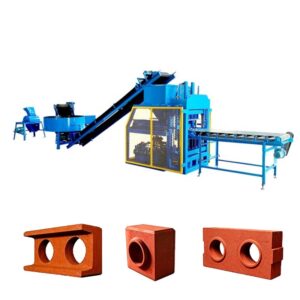
Le QTS10-10 est conçu pour les lignes de production industrielle à grande échelle et entièrement automatisées, présentant un flux de processus complet, une synchronisation précise et des capacités de production de masse stables. La ligne complète comprend :
1. Concasseur d'argile robuste : pulvérise puissamment les sols compactés, secs ou mélangés ; adapté au prétraitement des matières premières en grand volume.
2. Écran vibrant de classement multicouche : effectue un classement et un criblage fins pour contrôler strictement la précision de la taille des particules, garantissant ainsi la cohérence du processus de formage à dix moules.
3. Mélangeur forcé à double arbre à grande échelle : gère le mélange continu et haute capacité ; prend en charge une production de masse non-stop 24 heures sur 24 avec un dosage de matériau stable.
4. Équipement de transport quantitatif entièrement automatique : fournit le matériel avec précision et à vitesse constante, évitant les pénuries ou les déversements et garantissant une production cyclique continue.
5. Unité principale de formation de dix moules QTS10-10 : le noyau de la ligne ; exécute simultanément la distribution du matériau, les vibrations, le compactage à haute pression et le démoulage en douceur pour les dix moules.
6. Station de stabilisation hydraulique indépendante de qualité industrielle : fournit du pétrole uniformément sur dix canaux avec une pression constante et un rendement stable, prenant en charge la production de masse à pleine charge.
7. Système de contrôle intelligent PLC à écran tactile : comprend le stockage de recettes, le fonctionnement automatique, les fonctions d'autodiagnostic et plusieurs mécanismes de protection de sécurité. L'ensemble de la chaîne de production présente un haut niveau d'automatisation, ne nécessitant que 2 travailleurs pour la surveillance, le transfert de matériaux et l'empilement. Avec des coûts de main-d'œuvre minimes, il est parfaitement adapté à une production de masse standardisée et intensive dans des usines à grande échelle.
Capacité
Cette machine utilise le moulage simultané sur dix moules, garantissant un cycle stable et un rendement massif ; il représente la capacité de production maximale de l'ensemble de la série de produits :
Cycle de moulage standard : 10 secondes/moule
Alors que les briques d'argile à emboîtement standard peuvent être produites à pleine capacité, le cycle de moulage est légèrement plus long pour les briques de protection de pente de grand format et les blocs d'ingénierie épaissi, ce qui entraîne une réduction mineure de la production ; néanmoins, les volumes globaux de production journaliers et annuels dépassent de loin ceux des modèles de petite et moyenne taille, offrant un avantage irremplaçable en termes de capacités d'approvisionnement à grande échelle.