



Descripción general
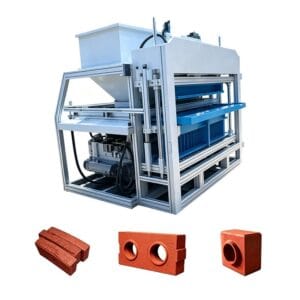
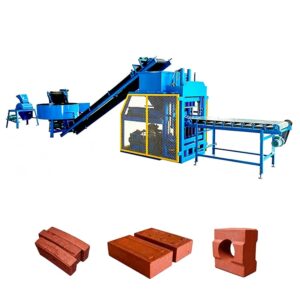
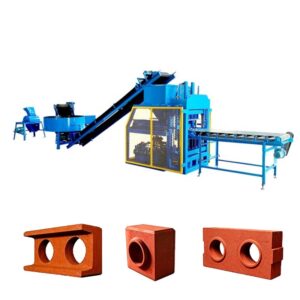
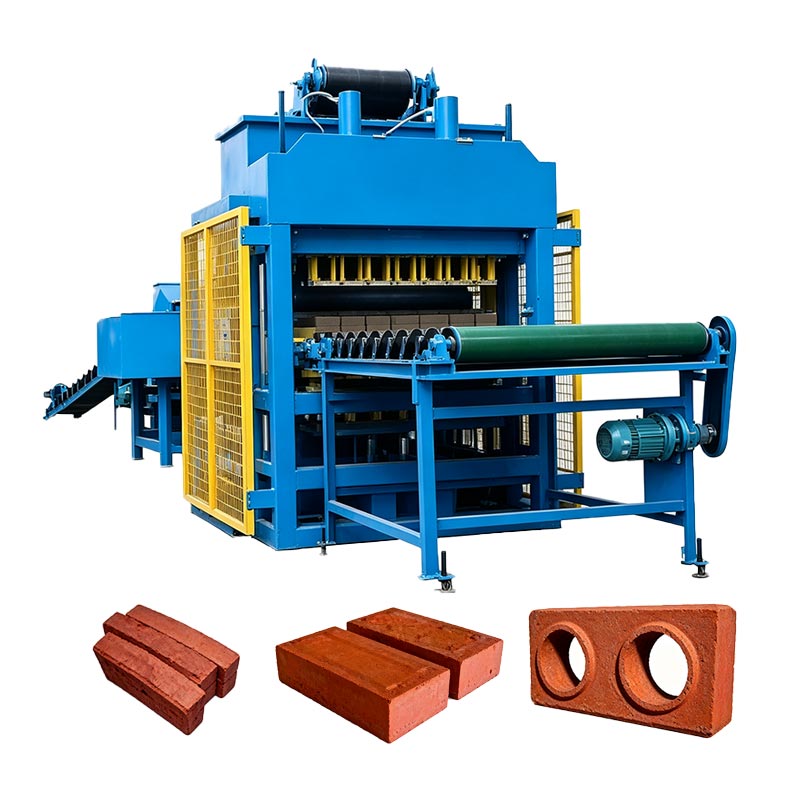
La máquina hidráulica de ladrillos de arcilla totalmente automática QTS7-10 es el modelo insignia de la serie QTS y presenta una configuración de siete moldes y una capacidad de producción ultraalta; está diseñada para plantas de ladrillos de arcilla estandarizadas a gran escala. Como máquina de mayor capacidad de la serie, moldea siete ladrillos de arcilla entrelazados estándar en un solo ciclo. Su producción supera con creces la de los modelos convencionales de seis moldes (o más pequeños), lo que la convierte en un equipo de primer nivel en el sector de los ladrillos de arcilla no cocida, ofreciendo una eficiencia de producción en masa líder en la industria y un retorno de la inversión óptimo.
Esta máquina se define por cuatro puntos fuertes del núcleo: alto rendimiento, alta precisión, estabilidad robusta y amplia compatibilidad con el suelo. Está diseñada específicamente para manipular diversas materias primas naturales, como laterita, arcilla, loess y suelos mixtos, lo que permite una producción en masa estable de ladrillos en bruto compatibles sin necesidad de cribado o purificación finos. Utilizando un proceso de moldeo hidráulico totalmente automático, la máquina elimina la necesidad de hornos o procesamiento a alta temperatura; en cambio, depende de la compactación física a alta presión y la hidratación natural del cemento para el curado. Es una solución de producción de materiales de construcción altamente compatible, ecológica y con bajas emisiones de carbono. La máquina emplea un proceso probado de moldeo en tierra “sin paletas”, donde los ladrillos en bruto se apilan directamente sobre el suelo para curar, eliminando así los costos a largo plazo asociados con la compra, reemplazo y gestión de paletas.
Ventajas principales del producto
1. Producción ultraalta con diseño de 7 moldes; ROI rápido: la configuración de 7 moldes líder en la industria ofrece una importante capacidad de producción diaria, ideal para manejar pedidos de gran volumen y garantizar una rápida recuperación de capital.
2. Presión equilibrada entre moldes; salida sin defectos: Cuenta con un sistema independiente de distribución de flujo y estabilización de presión; garantiza una uniformidad total en densidad, espesor y dureza en los siete ladrillos, lo que resulta en una alta precisión de moldeo y una tasa de aprobación de 100% para las inspecciones de proyectos.
3. Compatibilidad excepcional con el suelo: altamente adaptable a la arcilla roja de mala calidad, incluidas variedades de alta viscosidad, alta humedad y alto contenido de arena, lo que permite un abastecimiento sin barreras de materiales locales y costos de materia prima extremadamente bajos.
4. Operación inteligente y energéticamente eficiente: combina vibración de frecuencia variable con un sistema hidráulico segmentado de estabilización de presión para entregar energía según demanda, lo que resulta en un menor consumo de energía, un menor desgaste del equipo y bajos costos de operación y mantenimiento a largo plazo.
5. Funcionamiento estable y continuo en todo clima: la estructura de marco de caja de alta resistencia ofrece una resistencia superior a la vibración, la deformación y la fatiga; admite la producción ininterrumpida en dos turnos, con una estabilidad del equipo que supera con creces los modelos estándar.
Tipos de ladrillos producidos
1. Ladrillos de construcción de arcilla entrelazada “estilo Lego”: un éxito de ventas emblemático; presenta conexiones entrelazadas estrechas, ahorra mortero, permite una construcción rápida y es ideal para proyectos residenciales a gran escala en el extranjero.
2. Ladrillos de pared macizos/huecos: ampliamente utilizados para muros de carga en viviendas residenciales, muros perimetrales y mampostería de tabiques interiores.
3. Adoquines entrelazados para patios rurales: Adecuados para caminos rurales, caminos de fábricas y pavimentos en patios residenciales.
4. Bloques de protección de taludes entrelazados ecológicos: Incluye ladrillos de protección de taludes huecos hexagonales y tipo I; utilizado para proyectos de conservación de suelos y agua a lo largo de ríos, canales y embalses.
5. Ladrillos paisajísticos ecológicos: Incluye adoquines de césped y ladrillos para hoyos de árboles; adecuado para paisajismo de parques, estacionamientos ecológicos y proyectos de renovación de paisajes.
Escenarios de aplicación
1. Fábricas de ladrillos de arcilla estandarizadas a gran escala: adecuadas para producción en masa a largo plazo y de gran volumen, distribución mayorista local y suministro estable para proyectos de construcción. 2. Proyectos de infraestructura rural: proyectos de construcción a gran escala centrados en viviendas y medios de vida en África, el Sudeste Asiático y América del Sur.
3. Proyectos de conservación del agua y del suelo a gran escala: proyectos clave que requieren cantidades masivas de bloques para la protección ecológica de pendientes y el refuerzo de las riberas de los ríos.
4. Proyectos de renovación rural: producción en masa de materiales de construcción auxiliares para pavimentación de carreteras, renovación residencial y mejoras del paisaje de las aldeas.
5. Proveedor de materiales de construcción a gran escala: capaz de cumplir pedidos al por mayor de manera consistente, respaldado por una capacidad de producción ultraalta.
6. Líneas de producción de inversión a largo plazo: diseñadas para un alto rendimiento y un bajo tiempo de inactividad; ideal para operaciones de fábrica estandarizadas, refinadas y a gran escala.
Selección de modelo y recomendaciones de uso
Dentro de la serie de máquinas de ladrillos de arcilla QTS, la QTS7-10 se posiciona como el modelo insignia para la producción de gran volumen. Es ideal para clientes con pedidos estables y a gran escala que priorizan una alta producción, bajas tasas de defectos y viabilidad operativa a largo plazo. Si bien los modelos de 1-2 moldes se adaptan a la producción de prueba a pequeña escala y los modelos de 4-6 moldes se adaptan a la producción a mediana escala, este modelo de 7 moldes es la opción preferida para la fabricación a gran escala.
Antes de la producción, la arcilla cruda debe triturarse y tamizarse para eliminar las impurezas duras, garantizando así la longevidad del moho y la calidad del producto. La frecuencia de vibración y el tiempo de mantenimiento de la presión deben ajustarse en función de la humedad local del suelo y el contenido de arena; una vez que se establecen los parámetros óptimos, se pueden guardar en el sistema para garantizar una producción en masa estandarizada. El sitio de producción debe estar pavimentado y nivelado, con un amplio espacio designado para el curado zonificado; Los ladrillos verdes deben apilarse sistemáticamente y curarse durante 7 a 14 días para lograr un endurecimiento completo antes del envío.
El mantenimiento de rutina implica verificar periódicamente los niveles de aceite hidráulico, la integridad de los sellos hidráulicos y la planitud del molde, así como limpiar la suciedad residual de las cavidades del molde y apretar los pernos del equipo. Para prolongar la vida útil de los componentes eléctricos, el sistema de accionamiento de frecuencia variable debe protegerse contra ciclos frecuentes de arranque y parada. Se recomienda un programa de producción estandarizado de dos turnos para aprovechar al máximo las capacidades de alto rendimiento del sistema de 7 moldes, maximizando así la eficiencia general de la producción y el retorno de la inversión.