



Обзор
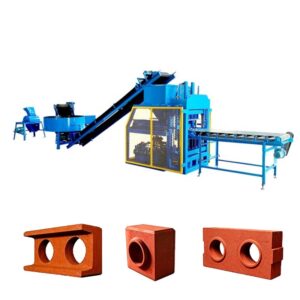
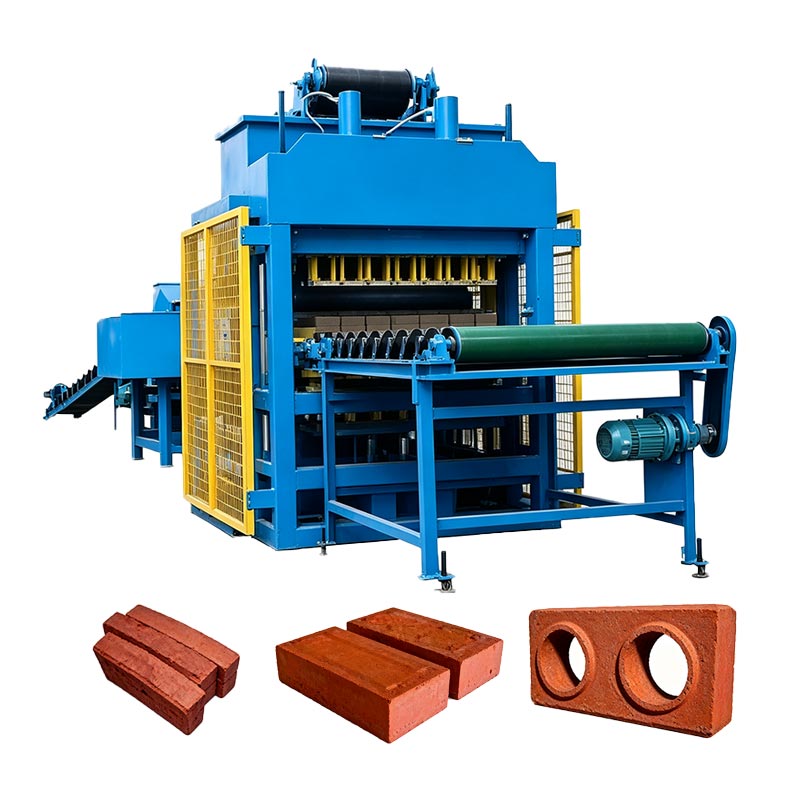
Полностью автоматическая гидравлическая машина для производства глиняного кирпича QTS7-10 является флагманской моделью серии QTS, отличающейся семиформенной конфигурацией и сверхвысокой выходной мощностью; она предназначена для крупномасштабных, стандартизированных заводов по производству глиняного кирпича. Будучи машиной самой высокой производительности в серии, она за один цикл формует семь стандартных взаимосвязанных глиняных кирпичей. Ее производительность намного превышает производительность обычных шестиформовых (или меньших) моделей, что делает ее лучшим оборудованием в секторе необожженного глиняного кирпича, предлагая ведущую в отрасли эффективность массового производства и оптимальную отдачу от инвестиций.
Эта машина определяется четырьмя сильными сторонами активной зоны: высокая производительность, высокая точность, прочная стабильность и широкая совместимость с почвой. Она специально разработана для обработки различных природных сырьевых материалов, таких как латерит, глина, лесс и смешанные почвы, что позволяет стабильно массово производить соответствующие кирпичные заготовки без необходимости тонкого просеивания или очистки. Используя полностью автоматический процесс гидравлического формования, машина устраняет необходимость в печах или высокотемпературной обработке; вместо этого для отверждения она полагается на физическое уплотнение под высоким давлением и гидратацию природного цемента. Это очень податливое, экологически чистое и низкоуглеродное решение для производства строительных материалов. В машине используется проверенный процесс наземного формования без поддонов, при котором заготовки кирпича укладываются прямо на землю для отверждения, тем самым устраняя долгосрочные затраты, связанные с покупкой, заменой и управлением поддонами.
Основные преимущества продукта
1. Сверхвысокая производительность с 7-форматной конструкцией; быстрая рентабельность инвестиций: ведущая в отрасли 7-форматная конфигурация обеспечивает значительную ежедневную производственную мощность, идеально подходит для обработки заказов большого объема и обеспечения быстрого восстановления капитала.
2. Сбалансированное давление на пресс-формы; выход с нулевым дефектом: имеет независимую систему распределения потока и стабилизации давления; обеспечивает полную однородность плотности, толщины и твердости всех семи кирпичей, что приводит к высокой точности формования и скорости прохождения 100% для проверок проекта.
3. Исключительная совместимость с почвой: Высокая адаптируемость к некачественной красной глине (в том числе к высоковязким, влажным и содержательным пескам сортам). Поглощение для безбарьерного поиска местных материалов и чрезвычайно низкие затраты на сырье.
4. Интеллектуальная и энергоэффективная работа: сочетает в себе вибрацию переменной частоты с сегментированной гидросистемой, стабилизирующей давление, для подачи электроэнергии по требованию, что приводит к снижению энергопотребления, снижению износа оборудования и низким долгосрочным затратам на эксплуатацию и техническое обслуживание.
5. Стабильная, непрерывная всепогодная работа: сверхпрочная конструкция коробчатой рамы обеспечивает превосходную устойчивость к вибрации, деформации и усталости; поддерживает непрерывное двухсменное производство, стабильность оборудования намного превышает стандартные модели.
Произведено типов кирпича
1. Блокировка глины “Строительный кирпич в стиле Lego”: флагманский бестселлер; отличается плотными взаимосвязанными соединениями, экономит раствор, обеспечивает быстрое строительство и идеально подходит для крупномасштабных жилых проектов за рубежом.
2. Твердый/полый настенный кирпич: широко используется для несущих стен в жилых домах, стенах по периметру и внутренней перегородочной кладке.
3. Переплетение брусчатки для сельских дворов: подходит для сельских дорог, фабричных дорог и мощения жилых дворов.
4. Экологичные блоки защиты от переплетения склонов: включает кирпичи типа I и шестиугольные полые защитные откосы; используется для проектов по сохранению почвы и воды вдоль рек, каналов и водохранилищ.
5. Экологичный кирпич для ландшафтного дизайна: включает в себя брусчатку и кирпич для ям для деревьев; подходит для ландшафтного дизайна парка, экологически чистых парковок и проектов реконструкции ландшафта.
Сценарии приложений
1. Крупномасштабные стандартизированные заводы по производству глиняного кирпича: подходят для долгосрочного массового производства в больших объемах, местного оптового распределения и стабильного снабжения строительных проектов. 2. Проекты сельской инфраструктуры: крупномасштабное строительство жилья и средств к существованию в Африке, Юго-Восточной Азии и Южной Америке.
3. Крупномасштабные проекты по водосбережению и сохранению почв: Ключевые проекты, требующие огромного количества блоков для экологически чистой защиты склонов и укрепления берегов рек.
4. Проекты реконструкции сельских районов: Массовое производство вспомогательных строительных материалов для дорожного покрытия, ремонта жилых домов и улучшения ландшафта деревень.
5. Крупномасштабный поставщик строительных материалов: способен последовательно выполнять оптовые заказы, опираясь на сверхвысокие производственные мощности.
6. Линии долгосрочного инвестиционного производства: предназначены для высокой производительности и низких простоев; идеально подходит для стандартизированных, усовершенствованных и крупномасштабных заводских операций.
Рекомендации по выбору и использованию модели
В рамках серии QTS glay brick machine QTS7-10 позиционируется как флагманская модель для крупносерийного производства. она идеально подходит для клиентов со стабильными крупномасштабными заказами, которые отдают приоритет высокой производительности, частоте дефектов и долгосрочной эксплуатационной жизнеспособности. в то время как модели форм 12 подходят для мелкосерийного пробного производства, а модели форм 46 подходят для среднесерийного производства, эта модель 7-мерной формы является предпочтительным выбором для крупносерийного производства.
Перед производством сырая глина должна быть измельчена и просеяна для удаления твердых примесей, тем самым обеспечивая долговечность формы и качество продукции. Частота вибрации и время выдержки под давлением должны быть точно настроены на основе местной влажности почвы и содержания песка; как только будут установлены оптимальные параметры, их можно будет сохранить в системе для обеспечения стандартизированного массового производства. Производственная площадка должна быть заасфальтирована и выровнена, с достаточным пространством, предназначенным для зонированного отверждения; зеленые кирпичи следует систематически складывать и отверждать в течение 714 дней, чтобы добиться полной закалки перед отправкой.
Текущее обслуживание включает регулярную проверку уровня гидравлического масла, целостности гидравлических уплотнений и плоскостности формы, а также очистку остаточного грунта от полостей формы и затяжки болтов оборудования. чтобы продлить срок службы электрических компонентов, систему частотно-регулируемого привода следует защитить от частых циклов запуска-остановки. Рекомендуется стандартизированный двухсменный график производства, чтобы полностью использовать высокопроизводительные возможности 7-форматной системы, тем самым максимизируя общую эффективность производства и рентабельность инвестиций.