



Overview
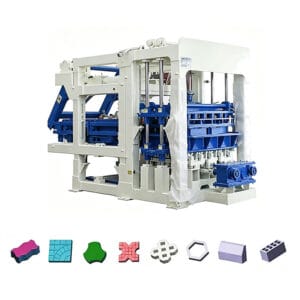
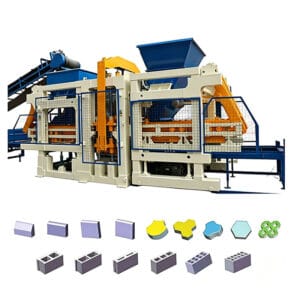
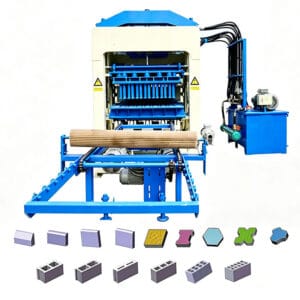
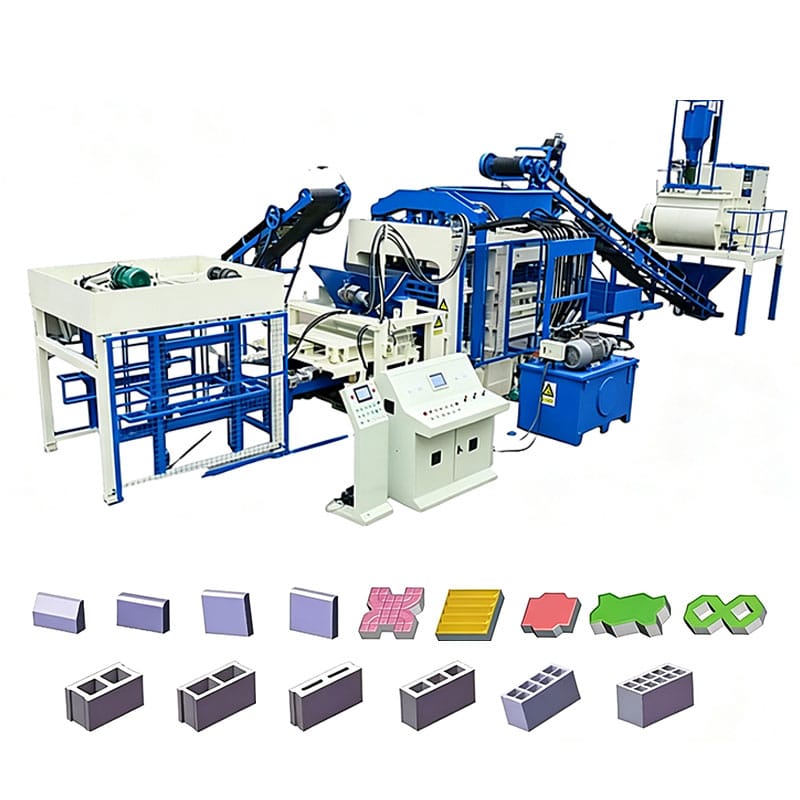
La machine de fabrication de briques en béton QT9-15 est une unité de moulage de blocs entièrement automatique à grande échelle présentant une conception optimisée. Incorporant une technologie allemande avancée de fabrication de blocs, la machine est construite pour la stabilité et les performances robustes.
Core Advantages
1. Four-Axis Synchronous Vibration System
Equipped with a Siemens control system and a four-axis synchronous vibration system, the machine offers stability and ease of operation. The energy-efficient vibration system allows for adjustable vibration intensity, minimizing damage to the equipment and molds. The variable-frequency synchronous vibration method delivers greater force, resulting in higher brick density and reduced cement consumption. With powerful excitation—featuring an amplitude of 2mm and acceleration of 15g—materials are rapidly molded in approximately two seconds.
2. Fully Automatic PLC Intelligent Control
The system utilizes computer control with an LCD touchscreen for parameter adjustment and includes data input/output interfaces for human-machine interaction. A built-in safety interlock prevents the execution of a subsequent action unless the preceding one has been correctly completed, thereby avoiding operational errors.
3. Efficient and Uniform Material Feeding System
Specialized rotary arch-breaking and horizontal grid feeding mechanisms allow for the selection of feeding methods tailored to specific products. The new semi-enclosed hopper and feeding cart—featuring gear-driven, 360-degree rotation—ensure rapid and uniform material distribution into the mold. The new feeding cart is also equipped with wear-resistant and leak-proof components.
4. Robust and Durable Machine Structure
Incorporating advanced German block-making technology, the machine features a heavy, stable structure—weighing 30% more than domestic models of similar output—which provides excellent vibration absorption. The frame utilizes thick-walled square tubing and extra-long guide sleeves to ensure structural rigidity, vibration resistance, and precise movement of the pressure head. With an ultra-low center of gravity and the vibrating table positioned just 486mm above the ground, 90% of residual vibration is transferred to the foundation, extending equipment lifespan. The guide columns are designed for permanent use without replacement, reducing maintenance costs.
5. Excellent Synchronization and Dimensional Precision
Adjustable synchronous swing arms are installed on both the pressure head and the demolding frame, ensuring that deviations in pressure head and demolding positioning remain within ±1mm. The pressure head employs a synchronous vibration-and-compression mechanism; its unique high-pressure design (capable of exerting up to 100 tons of force) guarantees high block strength and density. 6. Versatile Application & Flexible Mold Changing
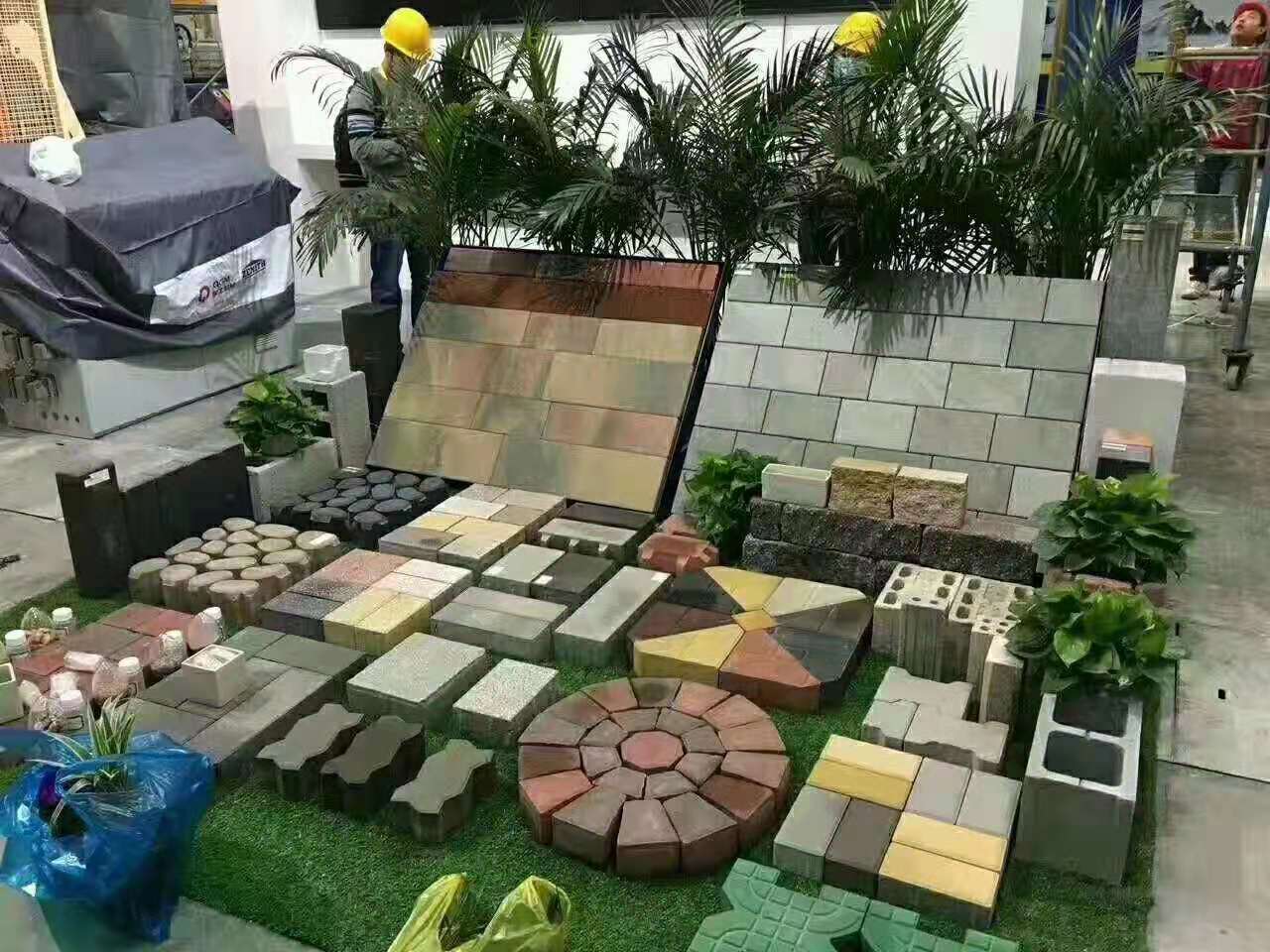
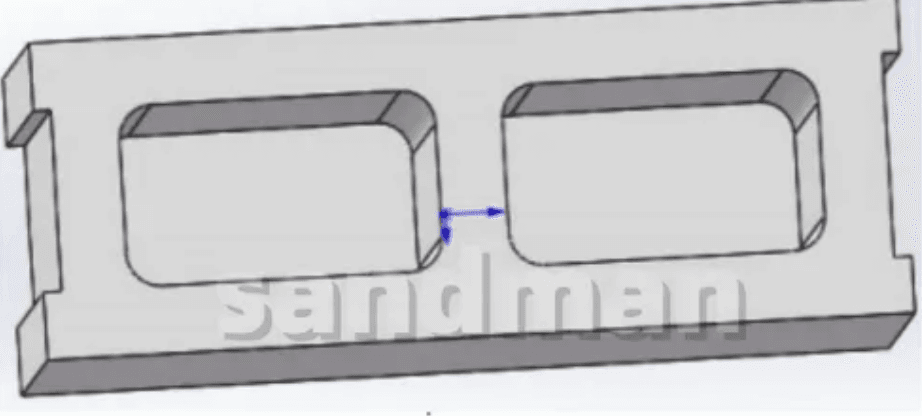
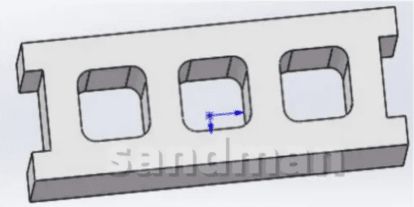
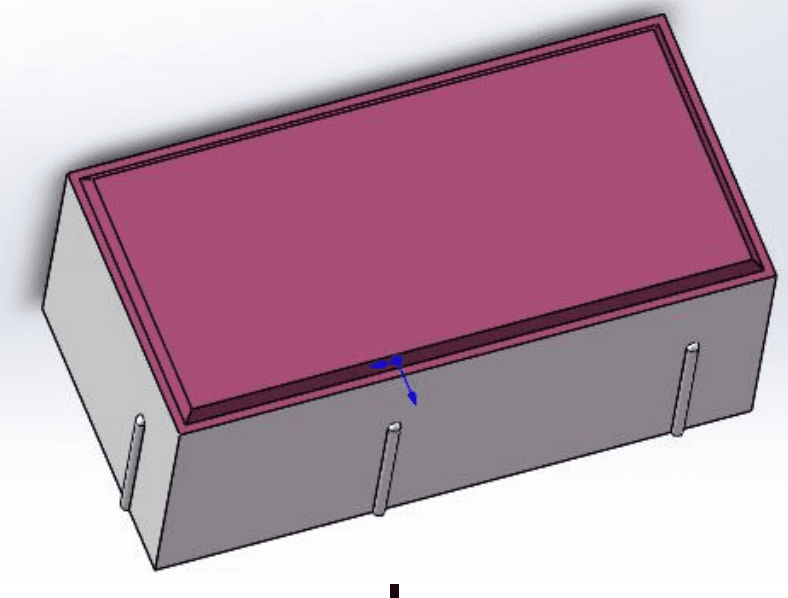
By simply changing molds, the machine can produce a wide range of products, including hollow blocks, porous bricks, standard bricks, pavers, curbstones, grass pavers, washed-finish bricks, and more. With the addition of a secondary feeding system, multiple brick types can be produced simultaneously.
7. Wide Raw Material Adaptability
It utilizes industrial waste materials such as fly ash, furnace slag, metallurgical slag, steel slag, coal gangue, tailings sand, and construction waste, achieving a waste utilization rate of over 90%. By changing molds, the main production unit can manufacture porous bricks and hollow blocks in various specifications.
8. High Efficiency & Energy Saving
Incorporates German variable-frequency technology for superior energy efficiency and environmental friendliness, reducing power consumption by 30%. Uses a speed-increasing mechanism to optimize production speed and ensure efficient molding cycles. The synchronized gearbox is externally mounted to prevent oil leakage from the vibration box while simultaneously reducing vibration energy consumption.
Brick Types
The QT9-15 brick-making machine allows for the flexible production of various brick types simply by changing molds:
• Hollow blocks: 390×190×190mm, 400×200×200mm, 400×150×200mm, etc.
• Porous bricks: 240×115×90mm, etc.
• Standard solid bricks: 240×115×53mm, etc.
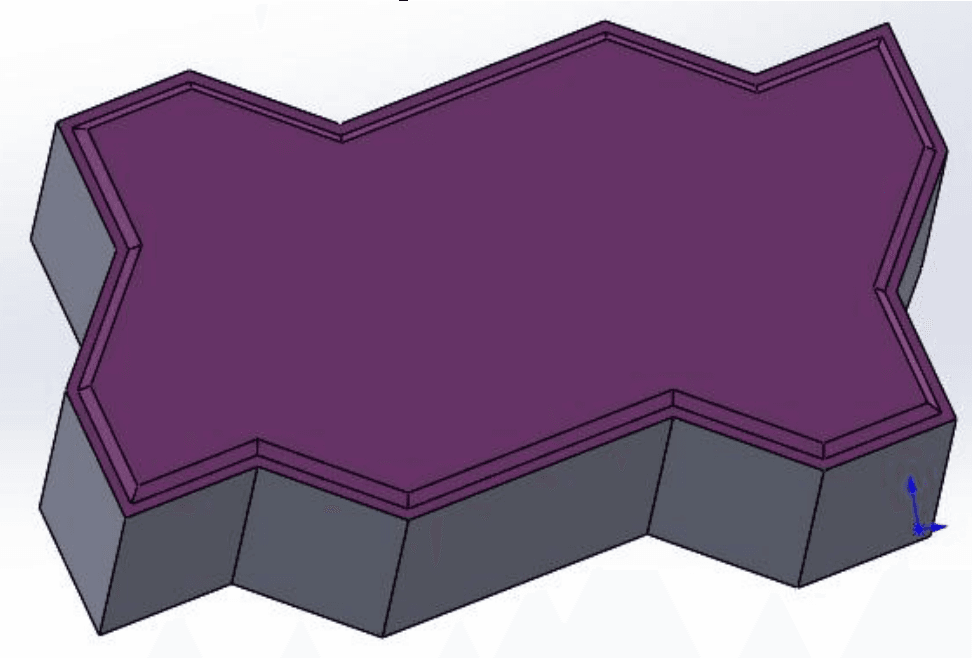
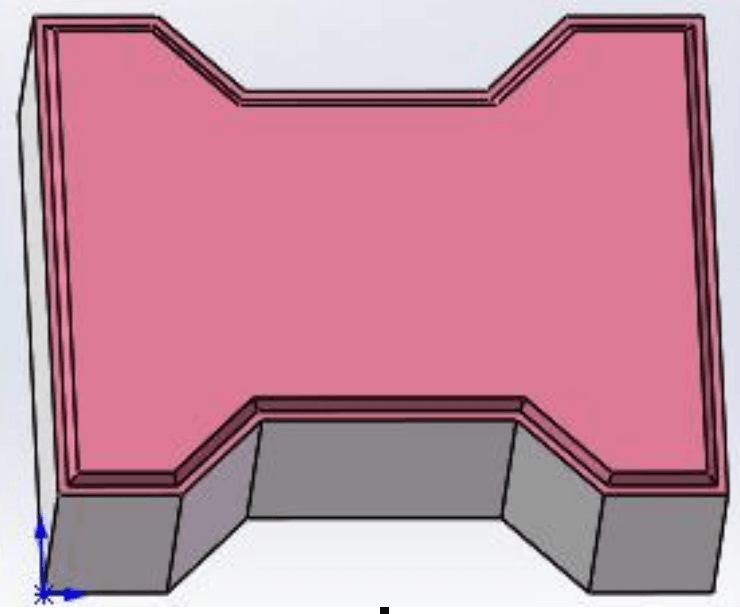
• Pavers/Pavement bricks: 225×112.5×60mm, 200×100×60mm, etc.
• PC imitation-stone permeable bricks
• Interlocking blocks
• Curbstones/Embankment blocks
• Grass pavers, washed-finish bricks
• Composite thermal insulation concrete blocks
• Capable of producing colored pavers in various specifications with the addition of a color-facing material feeder
• Custom molds for special-shaped bricks available upon request