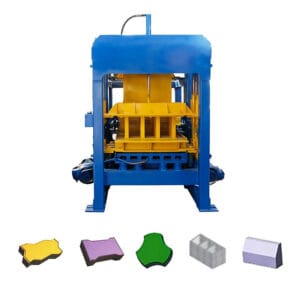




Shanman (Linyi) Machinery Co, Ltd.

Machine de fabrication de briques en béton QT10-15

Machine de fabrication de briques en béton QT10-15

La machine de fabrication de briques en béton QT10-15 est une unité de moulage de blocs entièrement automatique à grande échelle dotée d'une technologie mature. Construite sur des années d'expérience en fabrication et utilisant une conception optimisée et des processus de production rigoureux, la machine offre une qualité supérieure, des performances stables et fiables et une longue durée de vie, tout en produisant des briques à haute résistance à faible coût.

Dimensions : 3 800 × 2 300 × 3 550 mm
Poids: 11,5 T
Cycle de moulage : 15 secondes 20 secondes

Overview

La machine de fabrication de briques en béton QT10-15 est une unité de moulage de blocs entièrement automatique à grande échelle dotée d'une technologie mature. Construite sur des années d'expérience en fabrication et utilisant une conception optimisée et des processus de production rigoureux, la machine offre une qualité supérieure, des performances stables et fiables et une longue durée de vie, tout en produisant des briques à haute résistance à faible coût.

The QT10-15 is positioned as a fully automatic block production line suitable for investment by large enterprises. Equipped with a PLC control system, the entire unit enables continuous, automated production—spanning everything from batching and mixing to molding and palletizing. The equipment is exported to numerous countries and regions worldwide, making it an ideal choice for large-scale brick production.

Core advantages

1. Cost-effective, energy-saving and efficient

Increase equipment investment by 16%, increase output by 60%, and reduce energy consumption by 5%. Under the same investment conditions, it can obtain a return on production capacity that far exceeds that of similar models.

2. PLC fully automatic intelligent control

The computer control system of the whole machine is a revolution in the industry, which can realize remote monitoring of the entire production line; fault query and system upgrade are all performed by the terminal.

3. Improved four-axis vibration system

The improved four-axis vibration system effectively and evenly transmits the maximum vibration to the mold box, greatly improving product quality and extending the service life of the mold. Vibration acceleration can reach 17.5G.

4. Rugged and durable body structure

The main engine adopts steel pipe type oil pipe, which is not easy to break and leak oil; the oil tank is equipped with a oil pipe bracket to facilitate the cleaning and maintenance of the equipment. The guide column is made of super strong special steel with chrome plating on the surface, which has good torsion resistance and wear resistance. The guide posts never need to be replaced, reducing maintenance costs.

5. Unique forced fabric design

The uniformity of the cloth can reach 100%. The photoelectric control host stores materials and delivers the materials immediately after use to avoid premature liquefaction of concrete. The swing-type unloading device makes the fabric more uniform and stable.

6. One machine with multiple functions and flexible mold change

Fixed vibration platform, faster mold change. By changing the mold, you can produce hollow blocks, porous bricks, standard bricks, floor tiles and other products. The fixed vibration platform design makes mold changing more convenient.

7. Wide range of raw material adaptability

Industrial waste such as fly ash, slag, slag, coal gangue, tailings sand, construction waste, etc. can be used as raw materials to realize the utilization of solid waste resources.

Production of brick types

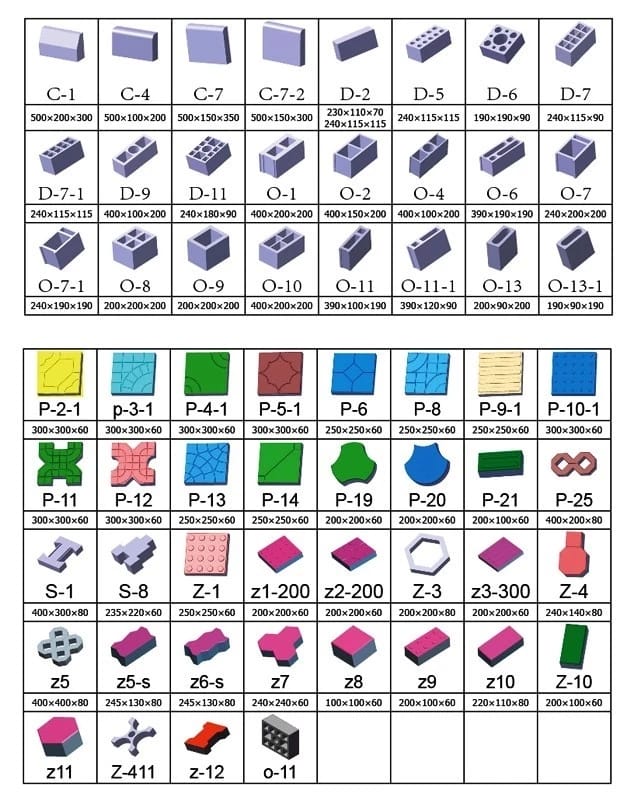
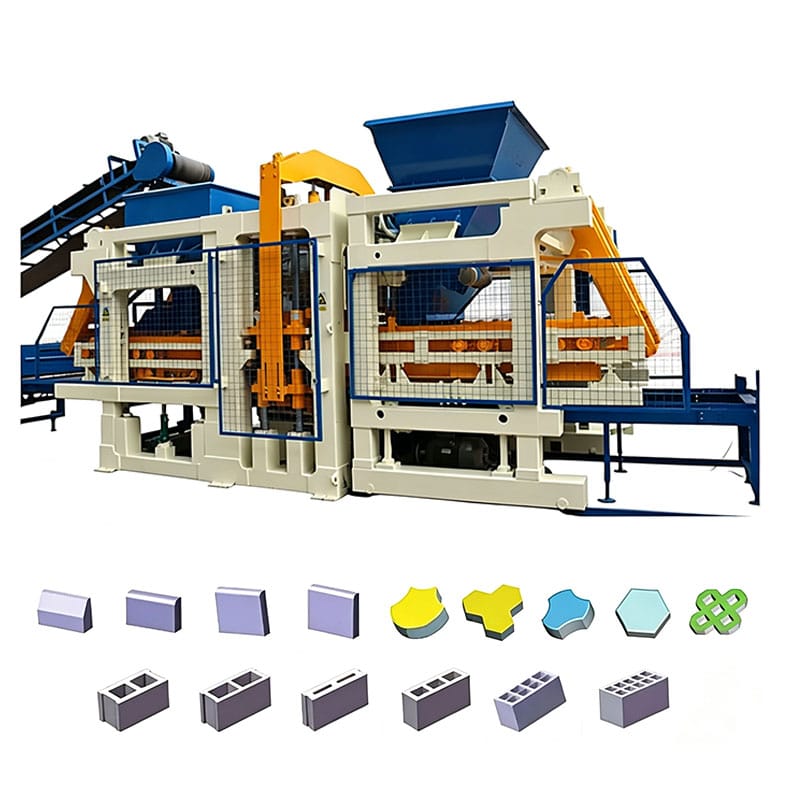
The QT10-15 brick making machine can produce different brick types at will by simply changing different molds

• Hollow blocks: 390×190×190mm, 400×100×200mm, 400×150×200mm, 400×120×200mm, etc.

• Porous bricks: 240×115×90mm, etc.

• Standard solid brick: 240×115×53mm

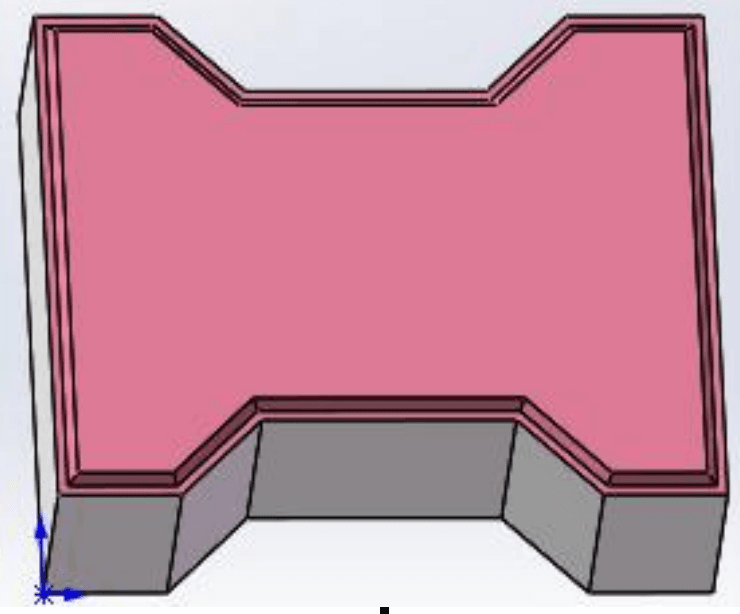
• Floor tiles/pavement tiles: 200×100×60mm, 200×163×60mm, 225×112.5×60mm, etc.

• Interlocking block

• Curbs

• Grass planting bricks

• Adding a fabric device can produce colored pavement tiles

• Special-shaped brick molds can be customized according to user needs

QT10-15 product detail

Real Customer Case Studies

Operation

Basic Working Principles

The core operating principles of the QT10-15 brick making machine are as follows

1. Integrated Electro-Hydraulic Drive: The mold cavity and pressure head utilize a synchronized electro-hydraulic drive system, ensuring minimal height variation across products on the same pallet and excellent product consistency.

2. Low-Frequency Feeding & High-Frequency Molding: A multi-source vibration system driven by electro-hydraulic technology generates synchronized vertical vibration under computer control. With adjustable frequency and amplitude, the machine employs low-frequency feeding and high-frequency molding to achieve optimal compaction results across various raw materials.

3. Rapid Liquefaction and Air Evacuation: Vibration acceleration reaches up to 17.5G, facilitating rapid air evacuation and material densification, resulting in high-density, high-strength products.

4. Rapid, Uniform Material Distribution: Utilizing sensor and proportional hydraulic drive technologies, the machine employs a swinging distribution cart and an anti-arching mechanism to generate forced centrifugal discharge.

5. Synchronized Demolding: Demolding occurs synchronously after the molding process is complete, ensuring precise product dimensions.

Workflow

The complete workflow of the QT10-15 fully automatic brick making machine is as follows

1. Batching: Automatic metering and batching are performed by a PL1600 three-bin batching station. Materials such as cement and fly ash are transported from silos to the batching station via screw conveyors.

2. Mixing: Once batched, materials are transported via belt conveyor to a JS750/JS1000 forced-action mixer for thorough mixing. 3. Material Feeding: The mixed material is conveyed into the block molding machine's main hopper by an 8-meter conveyor.

4. Material Distribution: Photoelectric sensors control the material supply, ensuring material is fed on demand to prevent premature concrete liquefaction; an oscillating discharge mechanism ensures uniform and stable material distribution.

5. Pressing and Molding: The press head descends, and combined with simultaneous vibration of the table and mold, the process completes vertical synchronous vibration molding under computer control.

6. Synchronous Demolding: Demolding occurs synchronously once the molding process is complete.

7. Block Discharge and Conveying: Finished blocks are discharged by the block delivery unit and automatically palletized using a pallet elevator.

Configuration

Equipment NameDescription
Automatic Batching SystemSN100 cement silo, electronic cement scale, screw conveyor, PL1600 batching machine, and belt distributor; utilizes computer-based automatic control technology featuring automatic calibration and automatic drop correction for precise measurement.
Mixing SystemJS1000 forced-action mixer and 8m belt conveyor; mixes materials according to the preset ratio and delivers them to the molding machine's main hopper.
Molding SystemQT10-15 block molding main unit, pallet feeder, brick unloader, hydraulic system, and automatic control system; a face-mix feeder is required when producing colored products.
Brick StackerAutomatically stacks finished bricks.
Manual Pallet Truck / Green Brick Transfer CartTransports finished brick units.
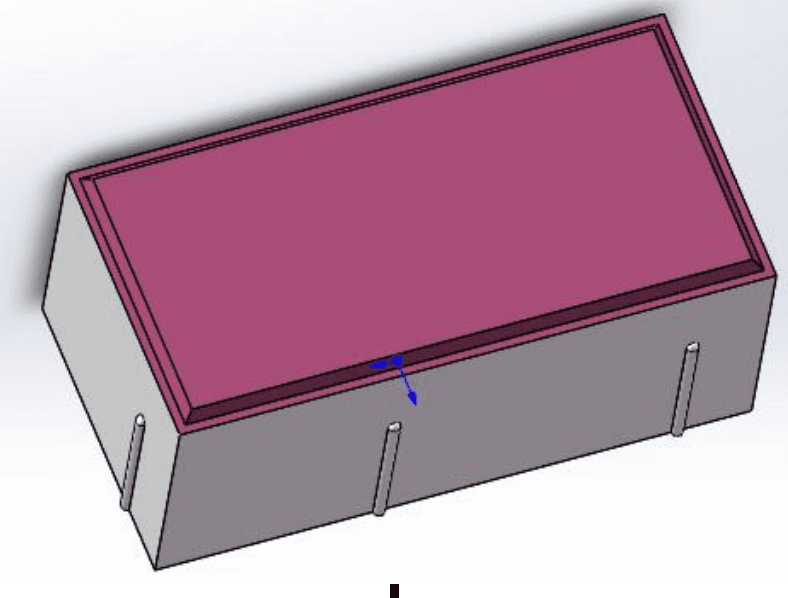
MoldCustomized according to the required brick type.

Optional equipment: loaders, forklifts, etc.

Specification

ParameterSpecifications
Main machine dimensions3,800 × 2,300 × 3,550 mm
Main machine weight11.5 t
Molding cycle15–20 seconds
Vibration force (exciting force)90–110 kN
Vibration frequency2,800–4,500 cycles/min (50–90 Hz)
Main machine power51.2 kW
Control methodFully automatic intelligent PLC control with HMI; uses imported electrical components; supports remote monitoring, fault diagnosis, and system upgrades
Molding methodTable-mold synchronous vibration + vertical directional vibration + pressure molding
Number of operators2–3 persons/shift
Voltage380 V / 220–440 V (optional)
Compatible mixer modelJS1000 mixer
Pallet dimensions1,350 × 900 × 30 mm
Installation area requirementsWorkshop area: approx. 300–400 m²
Curing area for molded green bricksRecommended total area: 2,000–3,000 m²
Water consumption for production mixingApprox. 8–15 tons/day
Water usage for natural curing of green bricksApprox. 8–18 tons/day
Suitable raw materialsCement, crushed stone, sand, fly ash, furnace slag, metallurgical slag, coal gangue, tailings sand, steel slag, ceramsite, perlite, construction waste, etc.

Capacity

QT10-15 product detail
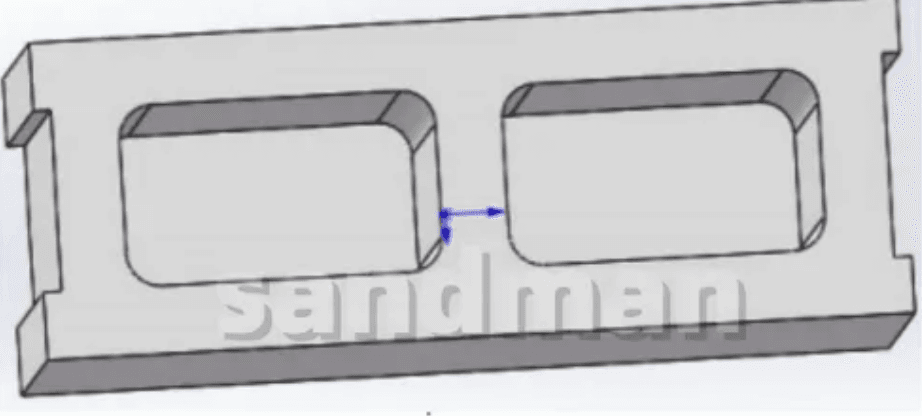
8”/400×200×200mm/2holes
Production Capacity
Per mold: 10 blocks – Per hour: Approx. 1800-2400 blocks – Per 8 hours: 14400-19200 blocks
QT10-15 product detail
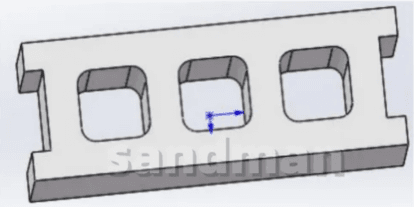
6”/400×150×200mm/m/3holes
Production Capacity
– Per mold: 15 blocks -Per hour: Approx. 2700-3600blocks – Per 8 hours: 21600-28800 blocks
QT10-15 product detail
4”/400×100×200mm/2holes
Production Capacity
-Per mold: 22 blocks -Per hour:Approx. 3960-5280 blocks -Per 8 hours: 31680-42240 blocks
QT10-15 product detail
200x100x60mm Rectangular Pavers
Production Capacity
– Per mold: 35 blocks – Per hour: Approx. 7560 blocks – Per 8 hours 60480 blocks
QT10-15 product detail
200x163x60mm
I-Shaped Pavers
Production Capacity
– Per mold: 24 blocks -Per hour: Approx. 4320 blocks
-Per 8 hours: 34560 blocks
QT10-15 product detail
1000x300x150mm
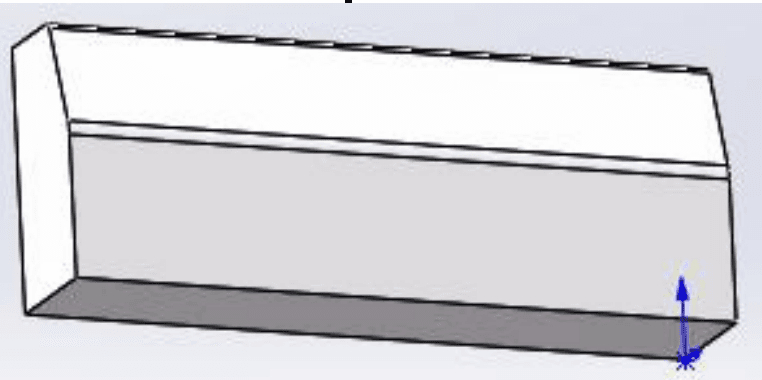
Curbstone
Production Capacity
Per mold: 2 blocks -Per hour: Approx. 360 blocks – Per 8 hours: 2880 blocks

Note: The figures above represent theoretical maximums; actual output should be estimated at 85%–90% of the theoretical value (accounting for time spent on mold changes, cleaning, material feeding intervals, etc.).

Find the Right Brick Machine

Tell us your block type, target capacity, and budget. Our engineers will recommend the right production solution for your project.

OBTENEZ UN DEVIS GRATUIT

Démo du formulaire de contact

En changeant de moule, la machine peut produire des blocs creux, des blocs pleins, des pavés, des pavés imbriqués, des bordures et d'autres produits en béton.

Les matériaux courants comprennent le ciment, le sable, la pierre concassée, les cendres volantes, les scories et autres granulats disponibles localement. Le mélange exact dépend de la résistance et de la finition requises du bloc.

Oui. Nous pouvons recommander ou personnaliser la configuration de la machine, la conception du moule, la capacité de production et le niveau d'automatisation en fonction de vos échantillons de blocs et des conditions d'usine.

L'alimentation standard comprend normalement la machine à blocs principaux, le système de contrôle et le moule sélectionné Des mélangeurs, des convoyeurs, des systèmes de palettes et d'autres équipements auxiliaires peuvent être ajoutés selon les besoins.

Oui. Nous fournissons des conseils d'installation, de mise en service, de formation des opérateurs, un support technique et un service de pièces de rechange. Des options de support à distance et sur site sont disponibles.

OBTENEZ UN DEVIS GRATUIT

Démo du formulaire de contact