



Шанман (Линьи) Машинери Ко, Лтд.

QT12-15 Полностью автоматическая машина для изготовления бетонных блоков

QT12-15 Полностью автоматическая машина для изготовления бетонных блоков

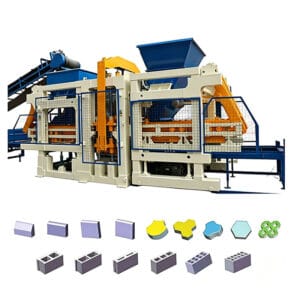
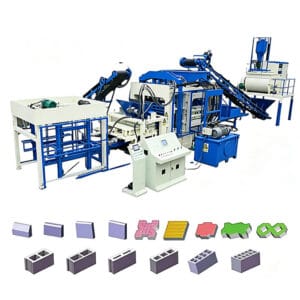
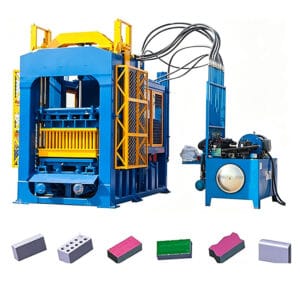
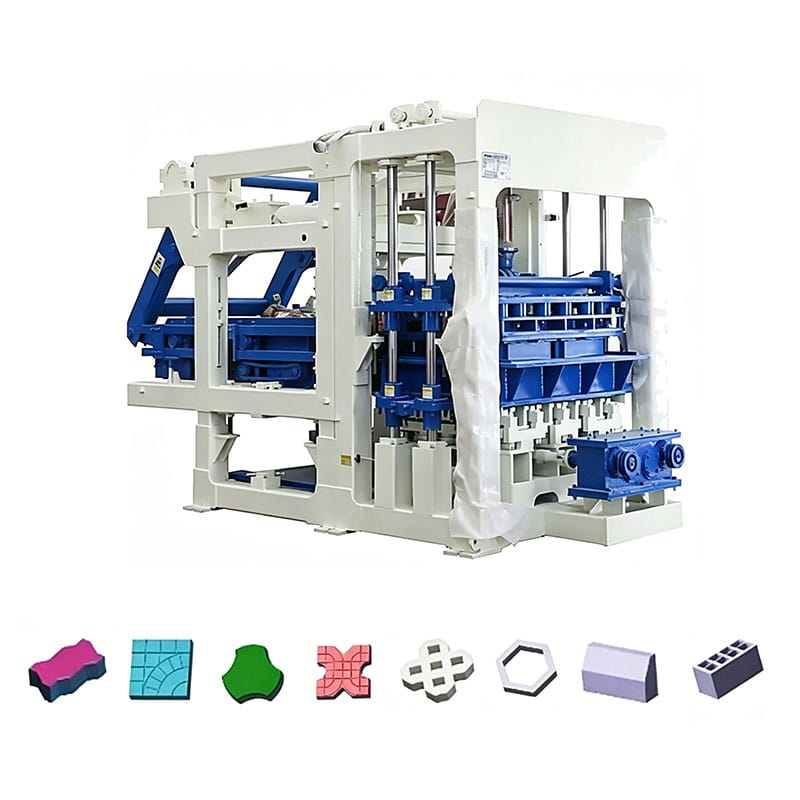
The QT12-15 fully automatic block making machine is a large-scale, high-tech, and advanced production unit for non-fired bricks, integrating leading domestic innovations with the latest international technologies. The machine features a frame constructed from high-strength structural steel using specialized welding techniques, ensuring exceptional durability. It is equipped with an imported intelligent PLC touchscreen and genuine electrical components, offering a high degree of automation and ease of operation. The QT12-15 is versatile, capable of producing a wide range of concrete products such as hollow blocks, porous bricks, standard bricks, pavers, curbstones, large-scale hydraulic engineering components, municipal paving stones, and slope protection blocks. With its multi-purpose capability, it allows for the production of various brick types simply by changing molds, making it an ideal choice for large-scale brick manufacturing enterprises.

Размеры: 3800 × 2500 × 3550 мм
Вес: 13,5 Тл
Цикл формования: 15 — 25 секунд/цикл: цикл формования: 15 — 25 секунд/цикл: цикл формования: 1

Overview

The QT12-15 fully automatic block making machine is a large-scale, high-tech, and advanced production unit for non-fired bricks, integrating leading domestic innovations with the latest international technologies. The machine features a frame constructed from high-strength structural steel using specialized welding techniques, ensuring exceptional durability. It is equipped with an imported intelligent PLC touchscreen and genuine electrical components, offering a high degree of automation and ease of operation. The QT12-15 is versatile, capable of producing a wide range of concrete products such as hollow blocks, porous bricks, standard bricks, pavers, curbstones, large-scale hydraulic engineering components, municipal paving stones, and slope protection blocks. With its multi-purpose capability, it allows for the production of various brick types simply by changing molds, making it an ideal choice for large-scale brick manufacturing enterprises.

Core Advantages

1. Robust and Durable Frame Structure: Constructed using high-strength structural steel and specialized welding techniques for exceptional rigidity; features an extra-long guide design with chrome-plated, wear-resistant guide columns, offering superior torsional and wear resistance.

2. Precise and Stable Material Feeding System: Unique material storage and distribution mechanisms ensure accurate feeding and consistent product density; an arch-breaking rapid feeding device facilitates uniform material distribution, particularly for porous bricks.

3. Advanced Vibration System: Utilizes fully synchronized vibration (variable-frequency synchronous vibration) with adjustable frequencies to suit specific production processes—employing low-frequency feeding and high-frequency molding to optimize compaction for various raw materials. Features a four-shaft synchronous vibration system and a special self-lubricating design to minimize downtime for maintenance.

4. Intelligent Control System: Equipped with imported intelligent PLC touchscreens and genuine electrical components, ensuring high automation and ease of operation; includes an integrated computer self-diagnosis system and remote control capabilities for remote monitoring, control, and diagnostics.

5. Airbag Vibration Compensation Device: Mitigates vibration-induced impact and wear on the machine, thereby enhancing the quality of the finished products.

6. High Efficiency and Energy Saving: Incorporates German variable-frequency technology, resulting in energy savings of approximately 30%.

7. Versatile Application: Rapid mold changing allows for the production of various concrete products, including hollow blocks, porous bricks, standard bricks, paving stones, curbstones, and slope protection bricks. VII. Brick Types Produced

By simply changing molds, the QT12-15 brick-making machine can produce a wide variety of brick types

• Hollow blocks (e.g., 390×190×190 mm)

• Multi-hole bricks (e.g., 240×115×90 mm)

• Standard bricks/solid bricks (e.g., 240×115×53 mm)

• Pavers/colored paving bricks (e.g., 225×112.5×60 mm, 200×100×60 mm)

• Kerbstones

• Slope protection blocks

• Large-scale hydraulic engineering components

• Municipal paving bricks

• Lightweight aggregate (ceramsite) insulation blocks

• Composite insulation concrete blocks

Real-World Case Studies

Operation

Basic Working Principle

The QT12-15 brick making machine utilizes a vibration-and-compression molding process. Its core operating principle involves feeding precisely proportioned and mixed concrete material into the mold cavity. Through the combined action of downward pressure from the press head and high-frequency vibration from the table, the material undergoes simultaneous vertical pressure and high-frequency vibration. This process rapidly expels air and excess moisture, ensuring a tight bond between aggregates and cementing materials to form high-density, high-strength brick bodies. The primary vibration mode is table vibration (or synchronized table-and-mold vibration), with frequencies flexibly adjustable to meet specific production requirements: low frequency is used for material feeding and distribution, while high frequency is used for molding, allowing for optimal compaction results across different raw materials. Workflow

The complete workflow of the QT12-15 fully automatic brick-making machine is as follows

1. Automatic Pallet Feeding: Pallets are automatically conveyed from the pallet magazine to the designated position above the vibrating table.

2. Precise Material Feeding: Material drops from the discharge outlet into the storage hopper; a feeding cart supplies the material to the molding die, where a rotating feeding shaft generates centrifugal force to forcibly feed the material into the mold box.

3. Mold Closing and Forming: The pressure head descends to close the mold, while the vibrator activates to compact and shape the material through vibration and pressure.

4. Demolding: After forming, the mold box lifts to eject the product, releasing it directly onto the pallet.

5. Finished Product Output: A pallet conveyor transfers the palletized bricks to the brick discharge unit; the brick surfaces are cleaned before being sent to the pallet stacker.

6. Curing and Transfer: A forklift transfers the finished bricks to the curing area for the curing process.

Configuration

The complete fully automatic production line associated with the QT12-15 brick-making machine primarily comprises the following equipment:

Equipment NameSpecification/ModelPower
Three-bin aggregate batching stationPL160013 kW
Belt conveyor8m2.2 kW
Cement silo50t
Water scale100kg
Cement scale300kg
Screw conveyor6.7m7.5 kW
Forced-action mixerJS100051 kW
Mixed material conveyor8m2.2 kW
Pallet feederFor QT12-151.5 kW
QT12-15 main molding machineQT12-1554.2 kW
Brick transfer machineFor QT12-151.5 kW
Pallet elevator/stackerFor QT12-153.7 kW

Optional equipment: material feeding device, loader, forklift, etc.

Specification

Parameter ItemSpecifications
Main Machine Dimensions3800 x 2500 x 3550 mm
Main Machine Weight135,000 kg
Molding Cycle15–25 seconds/cycle
Vibration Force (Excitation Force)120–150 kN
Vibration Frequency2800–4500 cycles/min
Main Machine Power (Installed Capacity)56.2 kW
Control SystemPLC intelligent control + HMI touchscreen
Molding MethodVibration and pressure molding (synchronized vibration of table and mold)
Number of Operators2–3 people (fully automatic production line)
Voltage380V / 415V / 440V (customizable upon request)
Rated Pressure21–31.5 MPa
Compatible Mixer ModelJS1000 forced-action mixer
Pallet Dimensions1400 × 900 × 35 mm
Installation Area RequirementsWorkshop area approx. 300 m²; total production line land area approx. 2500–6500 m²
Curing Area for Green BricksRecommended based on daily output; typically requires 1000–3000 m²
Water Consumption for Mixing10–15 tons/day
Water Usage for Natural Curing (Sprinkling)Approx. 12–15 tons/day (depending on climate and curing process)
Suitable Raw MaterialsCrushed stone dust, sand, gravel, cement; allows for high-volume addition of industrial wastes such as fly ash, furnace slag, steel slag, coal gangue, ceramsite, perlite, etc.

Capacity

The theoretical output of the QT12-15 brick-making machine for various brick types is as follows (calculated based on an 8-hour shift):

Brick TypeSpecifications (mm)Quantity per MoldHourly OutputOutput per Shift (8h)
Hollow Block390×190×19012 blocks1,728–2,160 blocks17,280–23,040 blocks
Multi-hole Brick240×115×9030 blocks5,400–7,200 blocks43,200–57,600 blocks
Standard Brick240×115×5360 blocks12,700–14,400 blocks101,600–115,200 blocks
Paver225×112.5×6030 blocks5,400–7,200 blocks43,200–57,600 blocks

Note: The production figures above are theoretical calculations; actual molding cycles and output depend on factors such as raw material properties and product type.

ПОЛУЧИТЬ БЕСПЛАТНУЮ ЦИТАТУ

Контактная форма Демо

By changing molds, the machine can produce hollow blocks, solid blocks, paving bricks, interlocking pavers, curbstones and other concrete products.

Common materials include cement, sand, crushed stone, fly ash, slag and other locally available aggregates. The exact mix depends on the required block strength and finish.

Yes. We can recommend or customize the machine configuration, mold design, production capacity and automation level according to your block samples and factory conditions.

Standard supply normally includes the main block machine, control system and selected mold. Mixers, conveyors, pallet systems and other auxiliary equipment can be added as required.

Yes. We provide installation guidance, commissioning, operator training, technical support and spare-parts service. Remote and on-site support options are available.

ПОЛУЧИТЬ БЕСПЛАТНУЮ ЦИТАТУ

Контактная форма Демо